Introduction
The modern workplace is evolving faster than ever, driven by technology, employee expectations, and the need for greater efficiency. Businesses are now seeking innovative solutions to enhance productivity, collaboration, and employee satisfaction. One of the most significant shifts in recent years has been the rise of smart offices. A smart office integrates technology with workplace design to create an environment that is intuitive, connected, and adaptable. Companies embracing these trends are not only improving their operations but also attracting top talent who value flexibility and innovation.
Smart Office Technology Integration
Technology is the backbone of any smart office. Modern workspaces rely on connected devices and systems that simplify daily operations. Smart lighting systems, for instance, adjust brightness based on natural light and employee preferences, creating a comfortable and energy-efficient environment. Similarly, smart thermostats optimize temperature control to reduce energy costs while maintaining productivity. Beyond environmental control, workplaces are adopting IoT devices to monitor office space usage, ensuring that resources like meeting rooms and workstations are efficiently allocated. The integration of AI-powered analytics helps managers understand patterns of employee behavior and make data-driven decisions to improve workflows.
Collaboration technology is another essential element. High-definition video conferencing systems and interactive displays allow seamless communication between teams, whether they are on-site or remote. Cloud-based platforms provide real-time access to documents, enabling employees to collaborate effectively without location constraints. By integrating these technologies, businesses can create a smarter, more connected workspace that supports both productivity and employee satisfaction.
Flexible Workspaces
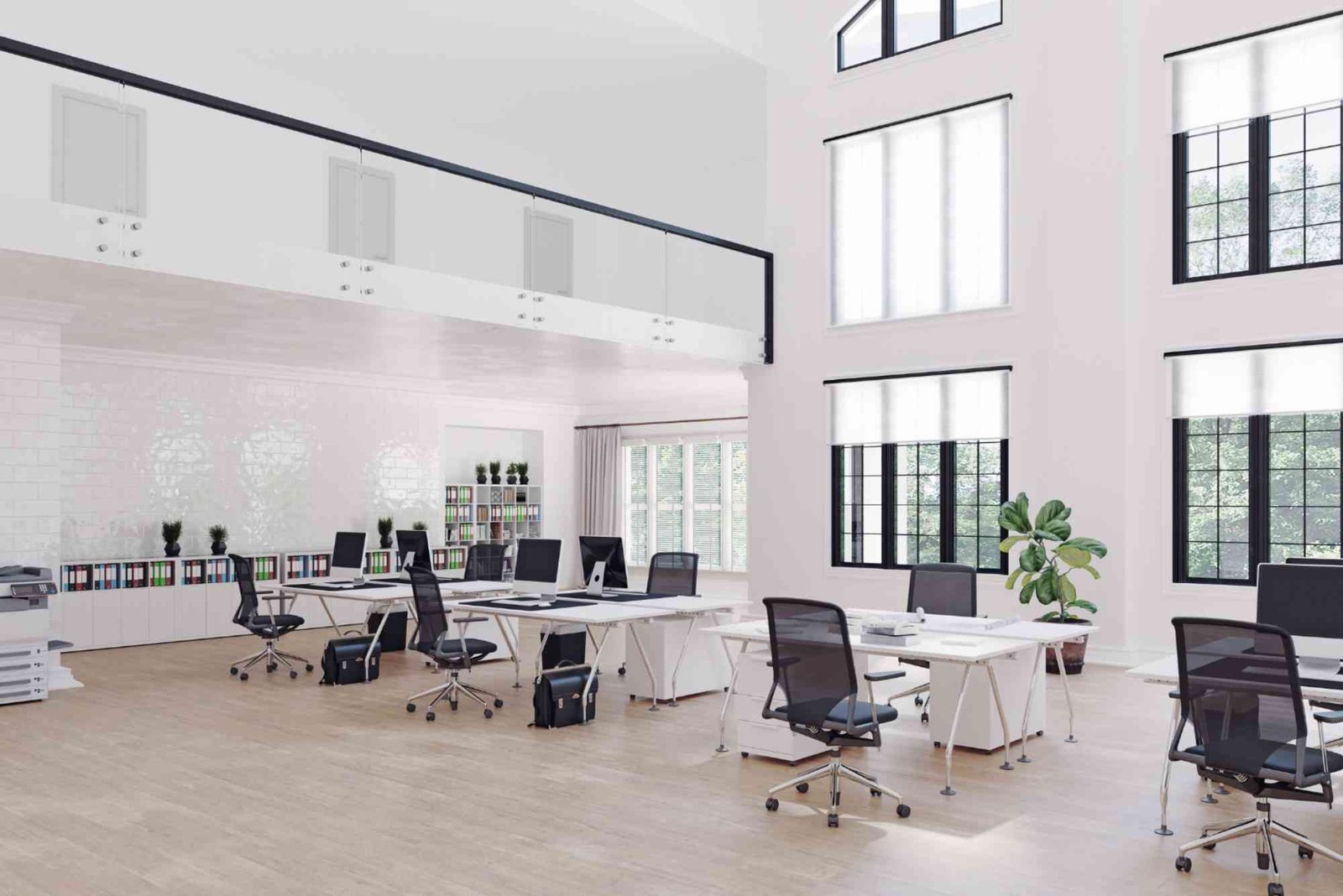
Flexibility is no longer a perk; it is a requirement in modern offices. Employees expect workspaces that adapt to their needs, whether they are focusing on deep work or collaborating with colleagues. Flexible office layouts, including modular furniture and open spaces, allow employees to choose the environment that best suits their tasks. Hot-desking, where employees do not have assigned desks, has gained popularity as it encourages movement and interaction while reducing the need for unused office space.
In addition, smart scheduling systems help employees reserve desks, meeting rooms, and collaborative spaces efficiently. These systems use real-time data to provide insights into occupancy trends, helping businesses optimize space and reduce overhead costs. Flexible workspaces also accommodate hybrid work models, supporting employees who split their time between remote work and the office. This adaptability is crucial for attracting and retaining talent in today’s competitive job market.
Health and Wellbeing Focus
Modern offices are prioritizing the health and wellbeing of employees more than ever before. Smart offices incorporate features that promote physical and mental health, which, in turn, boosts productivity. Ergonomic furniture, such as adjustable desks and chairs, reduces the risk of musculoskeletal problems. Air quality sensors monitor pollutants and maintain optimal ventilation levels, ensuring a healthier indoor environment.
Lighting plays a significant role in wellbeing as well. Circadian lighting systems mimic natural sunlight patterns, helping employees maintain energy levels and focus throughout the day. Wellness rooms and relaxation areas provide spaces for stress relief and short breaks, fostering a culture of care and balance. By investing in employee wellbeing, businesses create an environment where workers feel valued and motivated, which directly impacts performance and retention.
Sustainable Office Practices
Sustainability has become a core consideration in modern workplace design. Smart offices implement energy-efficient systems and environmentally friendly materials to reduce their carbon footprint. LED lighting, energy-efficient appliances, and automated climate control all contribute to significant energy savings. Additionally, offices are incorporating renewable energy sources such as solar panels to power operations sustainably.
Sustainability extends beyond energy consumption. Many smart offices promote waste reduction through recycling programs and digital documentation, reducing paper usage. Green building certifications, like LEED, demonstrate a company’s commitment to environmental responsibility, which can enhance brand reputation and appeal to eco-conscious employees. By aligning office design with sustainability principles, businesses create spaces that are both forward-thinking and responsible.
Data-Driven Decision Making
Data is transforming the way modern offices operate. Smart offices leverage analytics to improve efficiency, productivity, and employee experience. Sensors and IoT devices collect information on space utilization, energy consumption, and employee behavior. This data allows managers to make informed decisions about office layout, resource allocation, and operational policies.
For example, analysis of meeting room usage can reveal underutilized spaces, prompting reconfiguration or repurposing. Similarly, data on lighting, temperature, and air quality can guide adjustments to enhance comfort and reduce energy costs. Data-driven insights also support strategic planning, helping businesses anticipate trends and respond proactively to employee needs. By harnessing the power of data, modern offices become more adaptive and efficient, creating a smarter work environment.
Enhanced Security Measures
Security is a critical component of smart office design. Modern workspaces are adopting advanced access control systems, surveillance technology, and cybersecurity measures to protect sensitive information and ensure employee safety. Biometric authentication, smart card access, and mobile credentials allow secure entry while reducing reliance on traditional keys or passwords.
Cybersecurity is equally important in connected offices. With cloud-based collaboration and IoT devices, businesses face new digital threats. Implementing robust security protocols, firewalls, and encryption safeguards data while maintaining seamless operations. Smart offices also incorporate visitor management systems to monitor and control access for external parties. By combining physical and digital security measures, companies create a secure and trustworthy environment for employees and clients alike.
AI-Powered Automation
Artificial intelligence is revolutionizing workplace operations by automating repetitive tasks and enhancing decision-making. In smart offices, AI-powered systems can schedule meetings, manage workflows, and provide insights on employee productivity. Chatbots and virtual assistants handle routine inquiries, freeing up employees for higher-value work.
AI also supports predictive maintenance, alerting facilities teams to potential equipment failures before they occur. This reduces downtime and operational disruptions. Machine learning algorithms can analyze patterns in office usage and employee behavior to optimize space, energy consumption, and overall efficiency. By integrating AI, businesses not only streamline operations but also create a more intelligent and responsive workplace.
Immersive Experiences and Collaboration
Modern workspaces are enhancing collaboration through immersive experiences that foster creativity and teamwork. Interactive screens, augmented reality tools, and virtual meeting environments enable employees to engage in innovative ways. These technologies facilitate brainstorming sessions, project planning, and presentations, even when participants are geographically dispersed.
Smart office designs often include collaboration hubs with flexible seating and technology-enabled meeting spaces. These areas encourage spontaneous interactions and idea sharing, which are crucial for innovation. By combining technology with thoughtful design, companies create dynamic environments that inspire collaboration and problem-solving.
Employee-Centric Design
At the core of smart office trends is a focus on the employee experience. Workspaces are being designed to meet the needs of a diverse workforce, supporting different work styles and preferences. Personalization is key, allowing employees to adjust their environment for comfort, productivity, and focus.
Amenities such as coffee bars, fitness areas, and social zones contribute to a positive work culture. Smart office apps provide real-time information on space availability, office events, and resources, enhancing convenience and engagement. By prioritizing employee needs, businesses foster loyalty, motivation, and overall job satisfaction. A well-designed, technology-enabled workspace becomes a competitive advantage in attracting and retaining top talent.
Conclusion
The future of work is smart, connected, and employee-focused. Businesses embracing top smart office trends for modern workspaces are not only improving operational efficiency but also creating environments where employees can thrive. From technology integration and flexible layouts to wellbeing initiatives and sustainable practices, these trends define the next generation of workplaces. Investing in smart office solutions enhances productivity, reduces costs, and positions a company as an innovative and forward-thinking employer. If you want your business to stay competitive and attract top talent, now is the time to explore and implement these modern office trends. Transform your workspace today and experience the benefits of a truly smart office.
Modern technology is transforming the financial sector by making transactions faster, safer, and more accessible for everyone. From mobile banking to AI-driven tools, users can now manage finances with ease and confidence. Learn more through the guide on How Technology Is Simplifying Financial Services, which explains how innovation is reshaping modern financial systems for better efficiency and user experience.