Introduction
In today’s world, home security is more important than ever. Protecting your property and loved ones requires more than traditional locks and alarm systems. With technological advancements, homeowners now have access to a variety of smart tools that enhance safety and provide peace of mind. Whether you live in a busy city or a quiet suburb, knowing the top home security technologies to consider can help you make informed decisions and safeguard your home effectively. Investing in the right security system can prevent break-ins, monitor activity, and even reduce insurance costs.
Smart Security Cameras
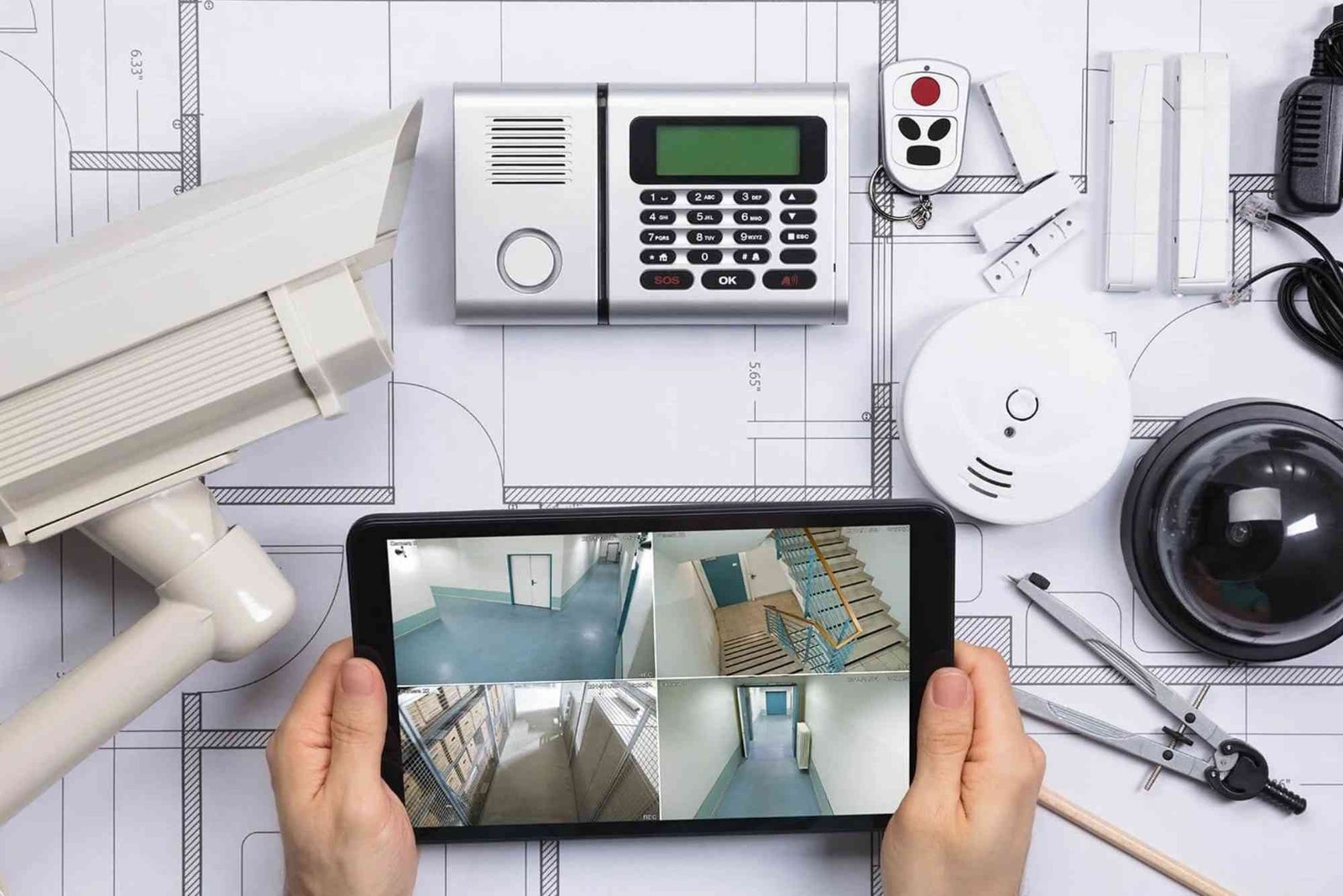
Smart security cameras are at the forefront of modern home protection. These cameras offer high-resolution video, motion detection, and real-time alerts to your smartphone. Unlike traditional CCTV systems, smart cameras can differentiate between humans, pets, and objects, reducing false alarms. Many models also offer cloud storage, allowing you to review footage from anywhere. Some cameras integrate with voice assistants and smart home devices, giving you complete control over monitoring your property. Indoor cameras ensure the safety of family members, while outdoor cameras monitor entrances and perimeters.
Video Doorbells
Video doorbells are an innovative way to manage home access. These devices let you see and communicate with visitors at your doorstep via your smartphone. Advanced models provide motion alerts and HD video recording. Video doorbells act as both a deterrent and a monitoring tool. They allow homeowners to verify delivery personnel, screen strangers, and interact with visitors without opening the door. Integration with home automation systems can trigger other security actions, such as turning on lights or activating alarms when movement is detected.
Smart Locks
Smart locks replace traditional keys with digital access methods. They can be controlled remotely via apps, providing convenience and security. Many smart locks offer temporary codes for guests, family members, or service personnel. Some advanced models include biometric authentication, such as fingerprint or facial recognition. Smart locks also track entry and exit times, giving homeowners a detailed record of who enters the home. Combining smart locks with security cameras and alarms creates a comprehensive system that ensures only authorized individuals can access the property.
Motion Sensors and Alarms
Motion sensors are essential for detecting unauthorized activity. These devices can trigger alarms, lights, or notifications when movement is detected in sensitive areas. Modern motion sensors are highly sensitive and can distinguish between small pets and intruders. They are often connected to a central security hub, enabling instant alerts and automated responses. Integrating motion sensors with cameras ensures that every triggered movement is recorded, providing evidence in case of security breaches.
Glass Break Sensors
Glass break sensors are a specialized technology designed to detect the sound of breaking windows or doors. They alert homeowners immediately, giving crucial response time during a break-in. These sensors are effective for both residential and commercial properties and can be integrated with alarms or smart home systems. Glass break detection is especially useful for ground-floor windows or glass doors that are more vulnerable to intrusion.
Smart Lighting
Smart lighting not only improves home aesthetics but also enhances security. Motion-activated lights can deter potential intruders by illuminating pathways, entrances, and yards. Timed lighting schedules can simulate occupancy when homeowners are away, reducing the risk of burglary. Smart lights often integrate with security cameras, alarms, and mobile apps, providing a holistic approach to home protection. Some advanced systems also allow remote control of lights, creating flexibility and convenience while enhancing safety.
Home Security Hubs
Home security hubs act as the central control point for all connected devices. These hubs allow seamless integration of cameras, sensors, locks, and alarms, providing a unified management interface. Users can monitor activity, receive alerts, and automate responses from a single platform. Security hubs often come with advanced features like AI-powered analytics, emergency contacts, and remote monitoring. They simplify the complexity of managing multiple devices, ensuring homeowners have complete control over their security system.
Flood and Fire Detection Systems
Comprehensive home security goes beyond intruder protection. Fire and flood detection systems are crucial for safeguarding life and property. Modern systems can detect smoke, gas leaks, or water leaks early and trigger alarms or notifications. These devices often integrate with smart home systems to automatically shut off water valves, activate sprinklers, or alert emergency services. Early detection reduces damage, prevents accidents, and enhances overall home safety.
Security Apps and Remote Monitoring
Many security systems now offer dedicated mobile apps that allow real-time monitoring from anywhere. These apps enable homeowners to control cameras, locks, lights, and alarms remotely. Push notifications provide instant alerts for unusual activity, ensuring timely action. Security apps also allow sharing temporary access with family or service providers, enhancing flexibility and convenience. Remote monitoring ensures that even when away from home, you remain informed and in control.
Integration with Smart Home Systems
Modern home security technologies work best when integrated with broader smart home ecosystems. Integration allows devices to communicate, triggering automated responses based on specific events. For instance, detecting motion at night could automatically turn on lights, start camera recording, and send alerts to the homeowner. This synergy enhances efficiency and reduces the risk of overlooking security threats. Smart home integration also simplifies management, giving users a single interface for multiple devices.
Cybersecurity for Smart Devices
As homes become smarter, cybersecurity is a growing concern. Many smart security devices connect to Wi-Fi and cloud services, making them potential targets for hackers. Using strong passwords, two-factor authentication, and encrypted connections helps protect these systems. Regular software updates and secure network configurations are essential to maintain the integrity of your home security setup. Cybersecurity measures ensure that advanced technologies remain reliable and resistant to tampering.
Energy-Efficient Security Solutions
Some home security technologies also focus on energy efficiency. Solar-powered cameras, energy-saving motion sensors, and smart lighting reduce electricity consumption while maintaining high security standards. These solutions are environmentally friendly and can lower operating costs. Combining energy-efficient devices with comprehensive security systems creates a balance between sustainability and protection.
Conclusion and Call to Action
Investing in the right home security technologies is crucial for protecting your property, loved ones, and peace of mind. From smart cameras and video doorbells to motion sensors and integrated hubs, modern systems offer comprehensive solutions tailored to your needs. Choosing the right combination ensures that your home remains secure, monitored, and responsive to potential threats. Don’t wait until an incident occurs; explore top home security technologies to consider and upgrade your home today. A secure home is a happy home, and taking proactive measures today can prevent serious consequences tomorrow.
Discover the must-have tools for productivity with our guide on top tech gadgets for remote workers. From ergonomic accessories to smart devices, these essentials help streamline your workflow and boost efficiency while working from home. Explore the full list and elevate your remote work setup here.
FAQs
What is the best home security technology for apartments?
For apartments, smart locks, video doorbells, and indoor cameras provide effective monitoring and control without extensive installation requirements.
Are smart home security systems worth the investment?
Yes, they provide real-time monitoring, reduce insurance costs, and enhance overall safety for your family and property.
Can smart cameras work without Wi-Fi?
Some models offer local storage or offline recording, but most features like remote access and alerts require a stable Wi-Fi connection.
How do motion sensors prevent false alarms?
Advanced motion sensors differentiate between pets, humans, and objects, reducing unnecessary alerts while maintaining security.
Is it necessary to integrate all devices into a security hub?
Integration simplifies management, ensures automation, and improves response times, making it highly recommended for comprehensive security.