Introduction
The commercial property sector is evolving rapidly as businesses adapt to new technologies, shifting work styles, and economic changes. By 2025, commercial real estate is expected to reflect the demands of a post-pandemic world, prioritizing sustainability, smart infrastructure, and flexible spaces. Understanding these trends is crucial for investors, developers, and tenants seeking long-term value and competitive advantage.
Sustainability and Green Buildings
Sustainability is no longer optional in commercial property development. Companies and investors are focusing on energy efficiency, renewable energy integration, and environmentally friendly materials. Green certifications such as LEED and BREEAM have become standard considerations for new developments and renovations. Buildings designed with sustainability in mind not only reduce operational costs but also attract eco-conscious tenants who value corporate responsibility.
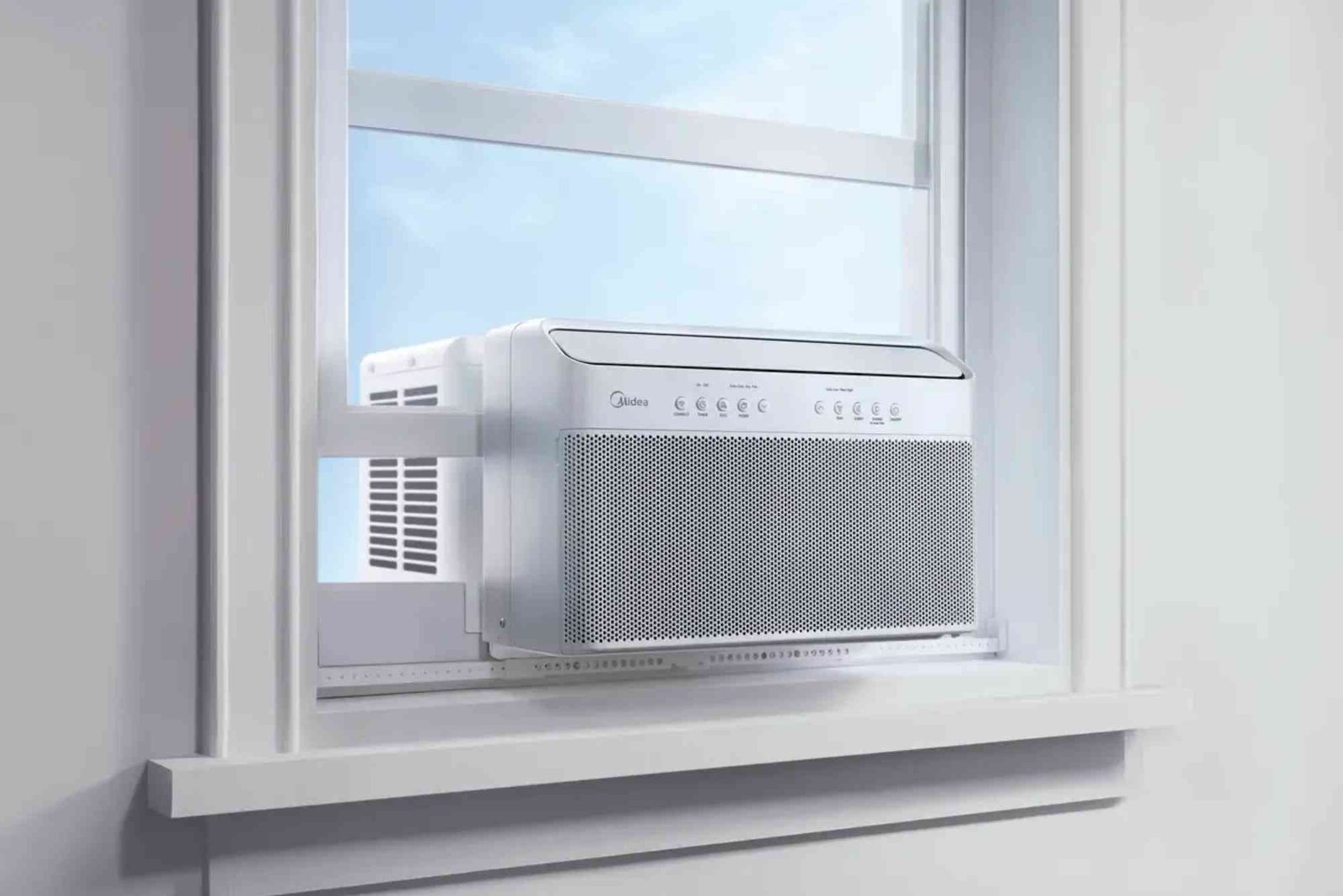
Sustainable features now include advanced HVAC systems, solar panels, and water-saving solutions. Developers increasingly use recycled and low-emission materials to minimize the carbon footprint. Additionally, green spaces and rooftop gardens are becoming popular for both aesthetic appeal and environmental benefits. As governments tighten regulations on energy efficiency, properties that prioritize sustainability are likely to see higher valuations and lower vacancy rates.
Smart Technology Integration
Technology continues to transform commercial properties in 2025. Smart buildings equipped with IoT sensors, automated systems, and data-driven management platforms are becoming industry standard. These systems optimize lighting, climate control, and security, improving energy efficiency and tenant comfort.
Artificial intelligence also plays a role in predictive maintenance, reducing downtime and operational costs. For investors, properties with advanced technological integration offer higher returns due to improved efficiency and reduced management overhead. Smart tech also enhances tenant experiences through app-based access, contactless entry, and real-time building analytics, making commercial spaces more attractive and competitive.
Flexible and Hybrid Workspaces
The rise of hybrid work models continues to influence commercial property design. Companies are seeking flexible office layouts that can accommodate remote, in-person, and collaborative work. Open-plan areas, modular furniture, and adaptable meeting rooms allow tenants to optimize space usage and respond quickly to changing workforce needs.
Coworking spaces remain popular, especially in urban centers, providing businesses with scalable solutions without long-term lease commitments. Developers are also blending residential and commercial spaces to create live-work-play environments. Properties that cater to hybrid workstyles can attract diverse tenants, from startups to large enterprises, ensuring steady occupancy and sustained growth.
Urban Revitalization and Mixed-Use Developments
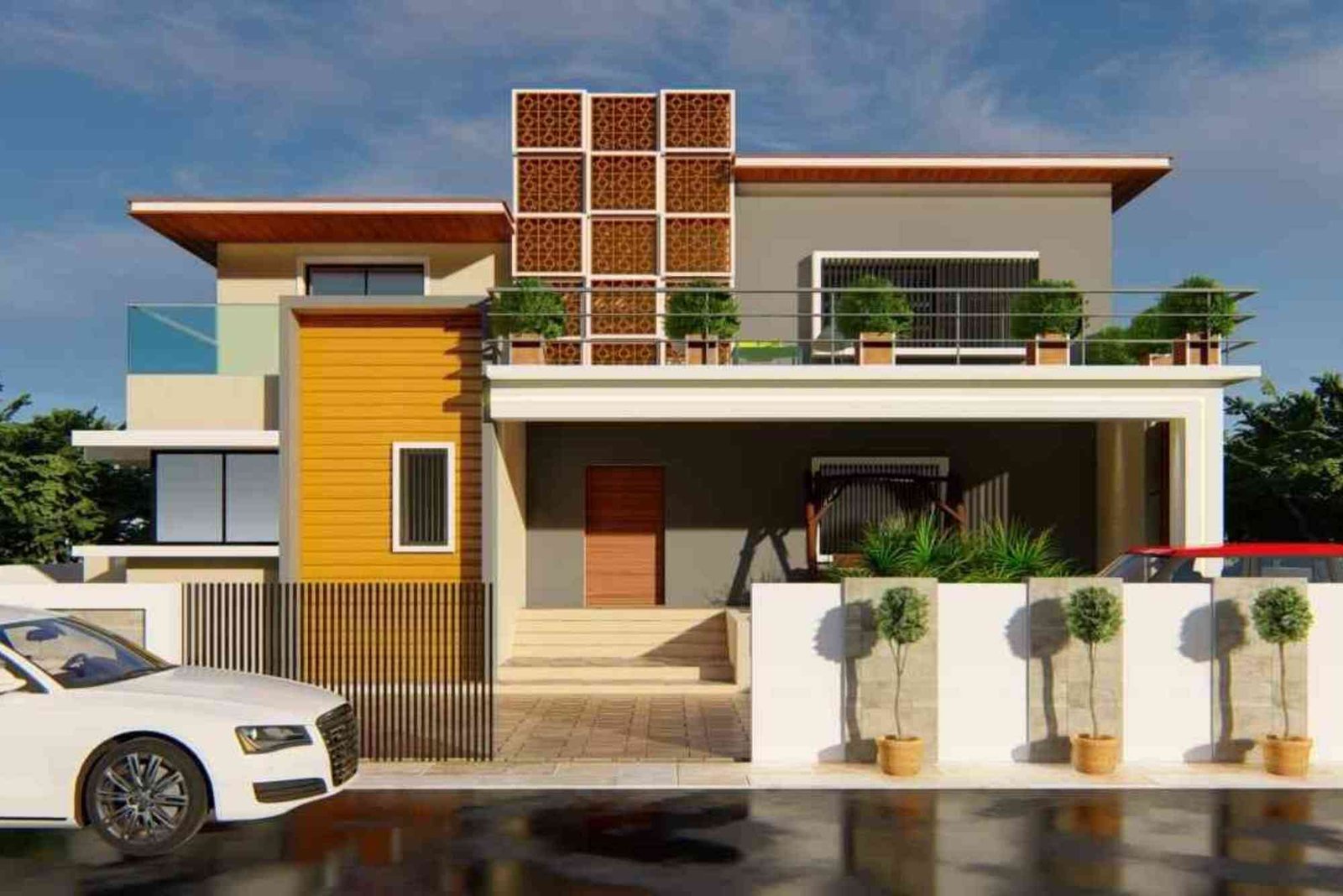
Urban centers are experiencing revitalization as mixed-use developments integrate residential, retail, and office spaces. These properties offer convenience, lifestyle amenities, and community engagement, attracting both tenants and visitors. By creating dynamic environments, developers can increase property value and ensure consistent foot traffic for commercial tenants.
Mixed-use developments often include retail hubs, fitness centers, restaurants, and cultural spaces, creating a destination rather than just an office location. This trend also supports public transit use and reduces commuting times, aligning with sustainability goals. Investors are drawn to these projects for their potential to deliver diversified income streams and long-term appreciation.
Health and Wellness Features
Tenant expectations have shifted to prioritize health and well-being in commercial spaces. Natural lighting, improved air quality, and ergonomic design elements contribute to employee productivity and satisfaction. Developers are incorporating wellness amenities such as fitness centers, outdoor spaces, and mindfulness zones into properties.
Health-focused features also include touchless entry systems, antimicrobial surfaces, and ventilation improvements. These considerations are no longer optional but essential for attracting tenants in competitive markets. Commercial properties that integrate wellness are seen as forward-thinking and responsive to modern workforce needs, providing a strategic advantage in lease negotiations.
Adaptive Reuse and Renovation
Adaptive reuse is a growing trend as cities face limited land availability. Transforming older buildings into functional commercial spaces allows developers to preserve historical architecture while meeting modern standards. Renovations often include energy-efficient upgrades, smart systems, and flexible layouts that accommodate contemporary businesses.
This approach is cost-effective compared to new construction and appeals to tenants who value character and history in a workspace. Adaptive reuse also aligns with sustainability goals by minimizing construction waste and reducing demand for new materials. In 2025, the market increasingly favors properties that balance innovation with heritage, creating unique and desirable commercial spaces.
Data-Driven Decision Making
Data analytics is revolutionizing commercial real estate decisions. Investors and developers use market insights, tenant behavior data, and predictive modeling to make informed choices. Understanding occupancy trends, lease renewals, and demographic shifts helps optimize property performance and maximize returns.
Proptech platforms provide real-time analytics on energy consumption, maintenance schedules, and tenant preferences, enabling proactive management. By leveraging data, stakeholders can identify growth opportunities, reduce risks, and make strategic investments in high-demand locations. Data-driven decision-making ensures that properties remain competitive in a rapidly changing market.
Resilient Infrastructure and Disaster Preparedness
Resilience is becoming a critical factor in commercial property planning. Properties designed to withstand climate events, natural disasters, and economic uncertainties offer long-term security to tenants and investors. Developers are implementing robust infrastructure, backup power systems, and flood mitigation strategies to protect investments.
Resilient buildings also enhance insurance profiles and reduce potential losses during unexpected events. With increasing awareness of climate-related risks, tenants prioritize properties that provide safety, continuity, and operational reliability. Commercial spaces that focus on resilience are likely to maintain higher occupancy and retain tenant loyalty.
Community and Experience-Driven Spaces
The modern tenant seeks more than just a functional office or retail space. Community-oriented design and experiential elements are gaining prominence. Spaces that foster networking, collaboration, and cultural engagement create a sense of belonging and increase tenant satisfaction.
Events, pop-up markets, and social amenities encourage interaction, building strong community ties within commercial properties. Developers who integrate experience-driven features can differentiate their properties in competitive markets and command premium rental rates. In 2025, the commercial property landscape increasingly values social connectivity alongside traditional business functions.
To Calculate Commercial Real Estate Value Calculating commercial real estate value requires analyzing income potential, market trends, and property condition. Key methods include the income approach, comparing similar properties, and assessing replacement costs. Accurate valuation helps investors make informed decisions and ensures fair pricing in a competitive market.
Commercial property trends in 2025 reflect a shift toward sustainability, technology integration, flexibility, and tenant well-being. Investors and developers who embrace these changes can expect higher occupancy rates, tenant loyalty, and long-term value. Whether it’s through smart buildings, adaptive reuse, or community-focused designs, the future of commercial real estate is dynamic and opportunity-rich. Staying ahead of these trends ensures competitive advantage and resilience in an evolving market. Explore innovative solutions, prioritize tenant experience, and invest in properties that align with modern demands to thrive in 2025. Start planning your commercial property investments today by consulting experts and exploring properties that incorporate these 2025 trends. Stay informed, stay competitive, and future-proof your real estate portfolio.
FAQs
What are the top trends in commercial real estate for 2025?
The main trends include sustainability, smart technology integration, flexible workspaces, mixed-use developments, and wellness-focused design.
Why is sustainability important in commercial properties?
Sustainable properties reduce energy costs, attract eco-conscious tenants, and comply with stricter regulations, increasing long-term value.
How is technology changing commercial real estate?
Smart systems, IoT sensors, and AI-driven management improve efficiency, tenant comfort, and operational performance in commercial spaces.
What is adaptive reuse in commercial real estate?
Adaptive reuse transforms older buildings into modern commercial spaces, preserving historical character while meeting current business needs.
Why are hybrid workspaces significant in 2025?
Hybrid workspaces provide flexibility for remote and in-office work, attracting tenants seeking adaptable environments and improved employee satisfaction.