Introduction
In today’s fast-paced digital world, advertising is evolving faster than ever. With new technologies, changing consumer behaviors, and global competition, the industry is witnessing groundbreaking transformations. Marketers now rely on innovation, data, and creativity to stay ahead.
Artificial Intelligence Revolutionizing Advertising
Artificial Intelligence (AI) is leading the advertising revolution. AI tools analyze massive data sets, predict consumer behavior, and optimize campaigns in real-time. This helps advertisers deliver more personalized and effective ads. AI-driven advertising isn’t just about automation—it’s about smarter marketing decisions. With tools like predictive analytics and programmatic advertising, brands can reach the right audience at the perfect time.
AI also enables creative optimization. Platforms such as Google Ads and Meta Ads use machine learning to adjust ad copy and visuals automatically for maximum engagement. This not only saves time but also ensures better ROI. Moreover, AI chatbots enhance customer interaction, creating instant, personalized communication experiences.
Personalization and Consumer-Centric Campaigns
Personalization has become the cornerstone of modern advertising trends. Consumers expect brands to understand their preferences and deliver customized experiences. This trend goes beyond including a customer’s name in an email—it’s about curating entire campaigns that resonate with individual interests, buying behavior, and lifestyle.
Advanced customer data platforms (CDPs) help advertisers track user interactions across multiple channels. This information allows brands to build highly targeted ads that feel relevant and authentic. Whether it’s a Netflix recommendation or an Amazon product suggestion, personalized advertising drives higher engagement and loyalty.
Rise of Influencer and Creator Marketing
Influencer marketing continues to dominate the advertising landscape, but it has evolved significantly. Today, micro and nano influencers often outperform celebrities because they have loyal, niche audiences. These creators build trust through authenticity, making their endorsements more persuasive.
Brands now form long-term partnerships with influencers rather than one-off collaborations. This builds credibility and strengthens audience connection. Platforms like TikTok, Instagram, and YouTube are central to this trend, allowing brands to reach younger, more interactive demographics.
Additionally, data-driven influencer selection ensures better ROI. Marketers analyze engagement rates, audience demographics, and content performance to find the perfect fit for their brand message.
Video Advertising and Short-Form Content Dominance
Video content continues to be one of the most powerful advertising trends. Short-form videos, especially on TikTok, YouTube Shorts, and Instagram Reels, dominate user engagement. They deliver quick, visually engaging messages that grab attention within seconds.
Businesses use storytelling through video ads to create emotional connections with viewers. This format is perfect for brand awareness and recall. Moreover, video SEO ensures that brands appear prominently in search results, driving more organic reach.
Interactive video ads, where viewers can click, shop, or explore more, are also gaining traction. These immersive experiences turn passive viewers into active participants, increasing conversions.
Data Privacy and Ethical Advertising
As technology advances, so do consumer concerns about data privacy. With regulations like GDPR and CCPA, advertisers must be transparent about how they collect and use data. Ethical advertising builds trust, and brands that prioritize privacy are winning customer loyalty.
Marketers are now shifting toward first-party data collection, relying on direct customer interactions instead of third-party cookies. This creates a more secure and genuine relationship between brands and audiences. Respecting user consent and providing data control options are essential for maintaining credibility.
Augmented Reality and Immersive Experiences
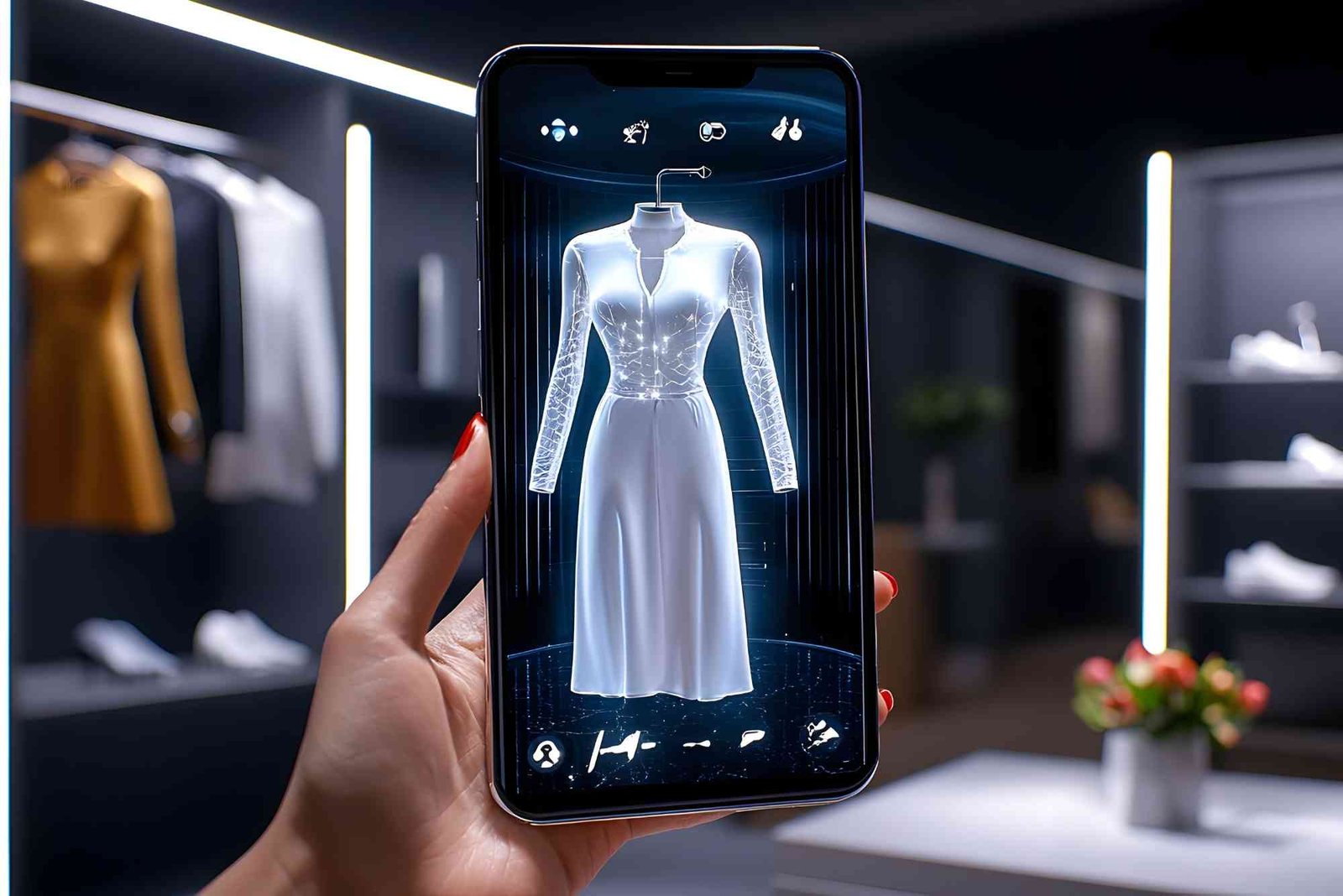
Augmented Reality (AR) is redefining how consumers interact with brands. AR-powered ads allow customers to “try before they buy”—whether it’s testing makeup shades, placing furniture in their living room, or visualizing a new car. These immersive experiences increase engagement and confidence in purchasing decisions.
Major brands like IKEA, Sephora, and Nike are leveraging AR technology to provide interactive, memorable experiences. This trend aligns with the growing desire for experiential marketing, where consumers seek meaningful engagement rather than passive viewing.
Sustainability and Purpose-Driven Advertising
Sustainability is no longer optional—it’s a necessity. Modern consumers want to support brands that align with their values. Companies promoting eco-friendly practices, ethical sourcing, and social responsibility are gaining more attention.
Purpose-driven advertising communicates more than products—it shares a mission. When brands highlight their environmental or community efforts, they attract socially conscious audiences. Campaigns like Patagonia’s “Don’t Buy This Jacket” or Dove’s “Real Beauty” demonstrate how authenticity and purpose can strengthen brand identity.
Omnichannel Marketing and Seamless Integration
Consumers now move effortlessly between platforms—social media, email, websites, and physical stores. Omnichannel marketing ensures consistent brand messaging across all touchpoints. This seamless experience builds trust and boosts conversion rates.
By integrating data from multiple channels, advertisers can understand the complete customer journey. For instance, a customer who browses a product on mobile might later purchase it in-store. Unified marketing strategies ensure they receive coherent messages throughout.
Voice Search and Audio Advertising
Voice search is changing how consumers find information. With smart speakers like Amazon Alexa and Google Assistant becoming common, advertisers are optimizing content for voice queries. This trend demands more conversational and natural language in ad copy.
Audio advertising, including podcasts and streaming platforms like Spotify, offers a unique opportunity to reach users in an intimate setting. These audio experiences feel personal and engaging, helping brands connect on a deeper emotional level.
AI-Generated and Dynamic Ad Content
AI-generated content is one of the newest advertising trends making waves. Dynamic ads that adapt in real-time based on user behavior improve relevance and engagement. These ads adjust visuals, headlines, and calls to action depending on audience preferences or browsing history.
For example, e-commerce brands can show different product ads to users based on what they’ve viewed previously. This personalized automation enhances both user experience and sales potential.
Measuring ROI with Advanced Analytics
Data-driven decision-making remains central to advertising success. Modern analytics tools track every aspect of a campaign—from impressions to conversions—allowing marketers to refine strategies continuously.
Attribution models now help advertisers understand which touchpoints contribute most to sales. By using AI analytics and dashboards, brands gain insights that guide smarter budget allocation and creative optimization.
Future Outlook of Advertising Trends
The future of advertising is an exciting blend of creativity and technology. As AI, AR, and data analytics evolve, personalization and ethics will continue to define success. Brands that adapt quickly to new tools and audience expectations will stay competitive in the ever-changing marketplace.
Ultimately, advertising is no longer just about selling—it’s about storytelling, connection, and purpose. The brands that master these elements will shape the next generation of marketing.
Advertising trends are transforming how brands connect with people. In 2026, the focus is on personalization, AI innovation, ethical marketing, and immersive experiences. Businesses that embrace these shifts will stand out in a crowded digital space.
To stay ahead, start incorporating these advertising trends into your strategy today. Use data intelligently, prioritize authenticity, and build campaigns that truly resonate. The future of advertising is not just digital—it’s dynamic, human, and full of opportunity.
Understanding your target audience begins with how to conduct market research properly. By analyzing consumer behavior, industry trends, and competitors, businesses can make informed decisions that drive growth, improve product strategies, and enhance overall marketing effectiveness.
Frequently Asked Questions
What are the biggest advertising trends in 2026?
The top advertising trends in 2026 include AI-driven marketing, influencer collaborations, video content, and sustainable branding strategies.
How is AI changing advertising?
AI helps advertisers analyze data, predict customer behavior, and optimize ad performance automatically, improving ROI and personalization.
Why is personalization important in advertising?
Personalized ads create stronger connections with customers, increase engagement, and drive higher conversion rates.
What role does AR play in advertising?
Augmented Reality makes ads interactive and immersive, allowing users to visualize products in real-time and make confident purchase decisions.
How can brands stay ahead of advertising trends?
Brands must stay updated on technology, invest in data analytics, and focus on customer-centric strategies to remain competitive.