Introduction
Making small changes to your vehicle and driving habits can significantly reduce your environmental impact. If you are wondering how to make your car more eco-friendly, the good news is that you do not need to buy a brand-new electric vehicle to start. With smarter driving, regular maintenance, and a few upgrades, you can lower emissions, save fuel, and reduce long-term costs.
Today, fuel efficiency and sustainability are more important than ever. Rising fuel prices and growing environmental concerns push many drivers to rethink their habits. Fortunately, learning how to make your car more eco-friendly is easier than most people think.
Why Making Your Car More Eco-Friendly Matters
Transportation contributes heavily to global carbon emissions. Every liter of fuel burned releases carbon dioxide into the atmosphere. Over time, this increases air pollution and climate change risks.
However, when you focus on how to make your car more eco-friendly, you directly reduce fuel consumption and emissions. Moreover, you save money on fuel and repairs. Eco-friendly driving also improves engine life and enhances overall performance.
Improve Fuel Efficiency with Smart Driving Habits
One of the fastest ways to learn how to make your car more eco-friendly is to change how you drive. Driving behavior has a direct impact on fuel consumption.
Avoid Rapid Acceleration and Hard Braking
Sudden acceleration burns more fuel. Instead, press the accelerator gently and maintain steady speed. Smooth driving reduces fuel use and engine stress.
Similarly, avoid hard braking. Look ahead and slow down gradually. This technique conserves fuel and reduces brake wear.
Maintain a Consistent Speed
Driving at a constant speed improves efficiency. On highways, use cruise control when possible. It prevents unnecessary speed fluctuations.
Frequent speeding and slowing waste fuel. Therefore, smoother driving supports your goal of how to make your car more eco-friendly.
Limit Idling Time
Many drivers leave their engines running while waiting. Idling wastes fuel and produces unnecessary emissions.
If you are parked for more than a minute, turn off the engine. Modern engines do not need long warm-up times. This simple habit significantly reduces fuel waste.
Keep Your Vehicle Properly Maintained
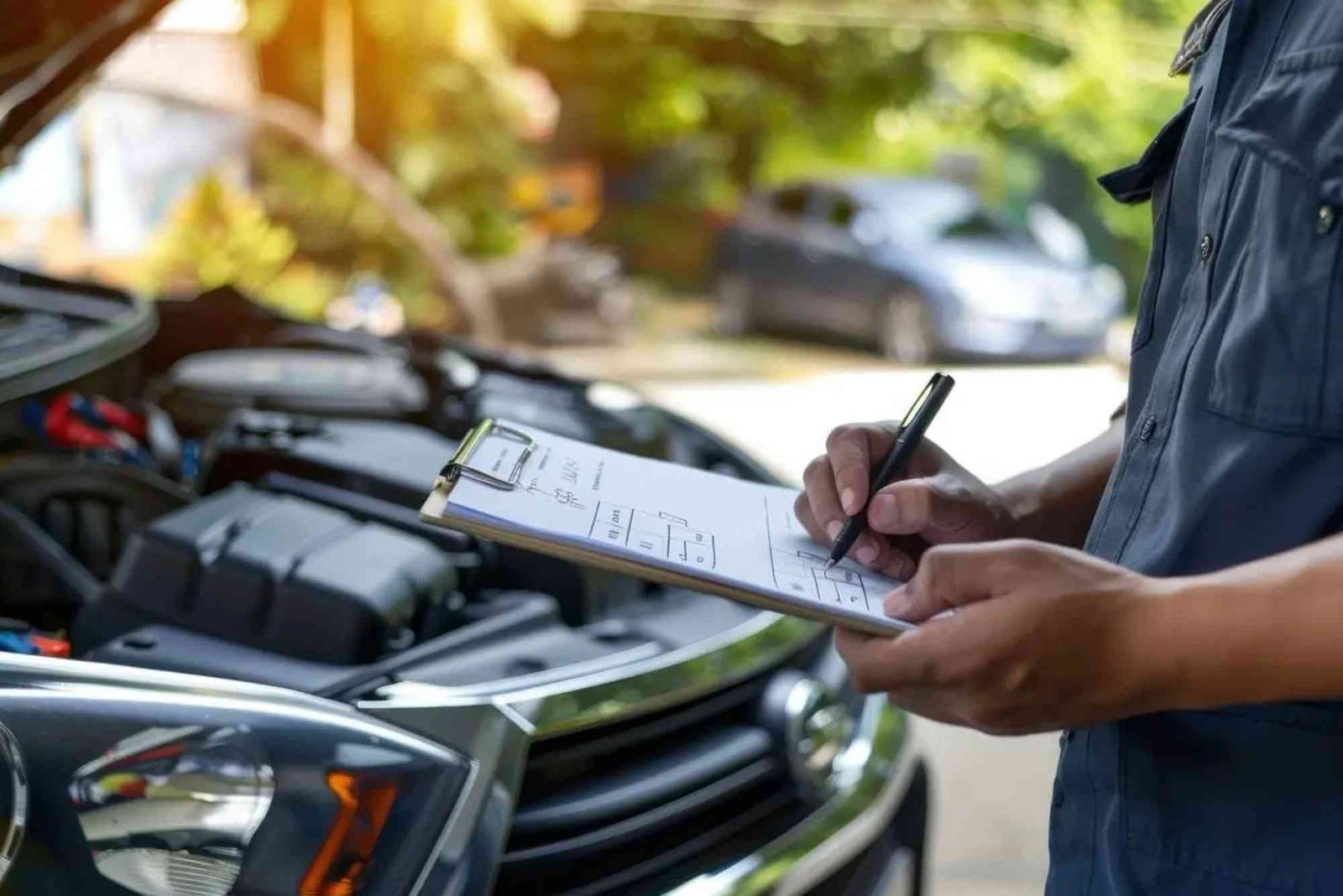
Regular maintenance plays a key role in how to make your car more eco-friendly. A poorly maintained car consumes more fuel and emits more pollutants.
Check Tire Pressure Regularly
Underinflated tires increase rolling resistance. This forces the engine to work harder and burn more fuel.
Check tire pressure at least once a month. Properly inflated tires improve mileage and safety.
Replace Air Filters on Time
A clogged air filter reduces airflow to the engine. As a result, combustion becomes less efficient.
Replacing dirty air filters improves engine performance and fuel economy. It is a small investment with noticeable results.
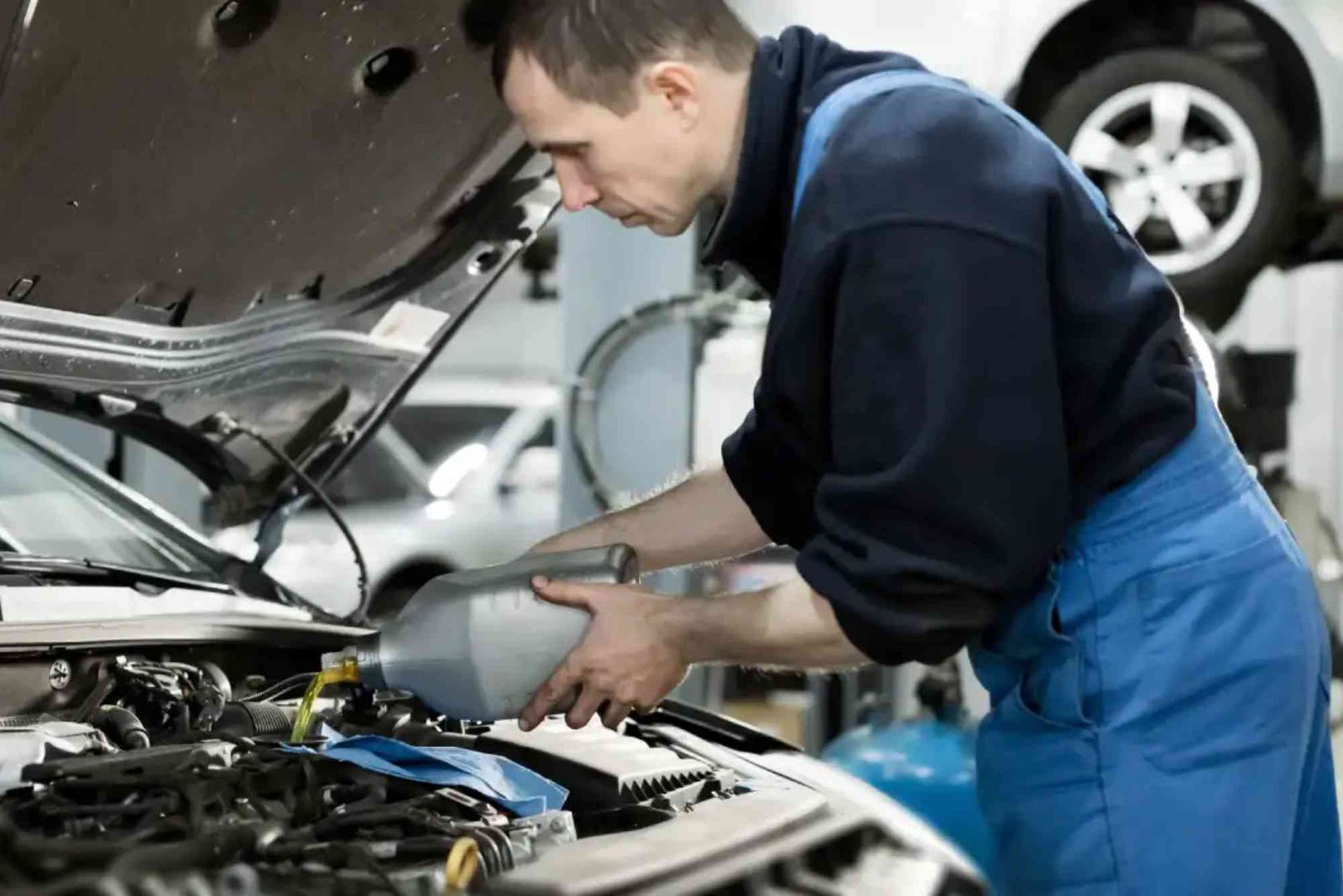
Use the Recommended Engine Oil
Using the manufacturer-recommended oil reduces engine friction. Lower friction improves fuel efficiency.
Always follow your vehicle manual when selecting engine oil. This supports long-term sustainability and performance.
Reduce Weight and Improve Aerodynamics
Another effective method for how to make your car more eco-friendly is minimizing unnecessary load. Extra weight means extra fuel consumption.
Remove Unnecessary Items
Many drivers carry heavy tools or unused items in the trunk. Extra weight increases fuel usage.
Clean out your trunk regularly. Every kilogram matters when improving fuel efficiency.
Remove Roof Racks When Not in Use
Roof racks create aerodynamic drag. This makes the engine work harder, especially at highway speeds.
If you are not using them, remove them. Improved airflow enhances fuel economy.
Choose Eco-Friendly Fuel Options
Fuel choice also influences how to make your car more eco-friendly. While not all vehicles support alternative fuels, some improvements are possible.
Use High-Quality Fuel
Low-quality fuel may cause incomplete combustion. This leads to higher emissions.
Choose reputable fuel stations. Better fuel quality supports cleaner engine performance.
Consider Biofuels or Ethanol Blends
Some vehicles can safely use ethanol blends. These fuels can reduce carbon emissions compared to traditional gasoline.
Check your car manual before switching. Always confirm compatibility to avoid engine damage.
Upgrade to Energy-Efficient Components
If your budget allows, upgrading certain components can further help how to make your car more eco-friendly.
Switch to LED Lights
LED headlights and interior lights consume less energy than traditional bulbs. They also last longer.
This reduces battery strain and lowers replacement frequency.
Install Low Rolling Resistance Tires
These tires are designed to minimize energy loss as they roll. They improve fuel efficiency and reduce emissions over time. Although slightly more expensive, they pay off in fuel savings.
Adopt Carpooling and Trip Planning
Sometimes, how to make your car more eco-friendly is not only about the car itself but also about how you use it.
Combine Multiple Errands into One Trip
Short trips with a cold engine consume more fuel. Plan your errands efficiently. Combining trips reduces overall fuel use and engine wear.
Carpool When Possible
Sharing rides reduces the number of vehicles on the road. Fewer cars mean lower emissions per person. Carpooling is a simple yet powerful environmental action.
Consider Hybrid or Electric Transition
If you are planning to replace your car in the future, consider hybrid or electric options.
Hybrid vehicles use both fuel and electricity. Electric vehicles run entirely on battery power.
Although initial costs may be higher, long-term savings on fuel and maintenance are significant. Moreover, emissions are drastically lower compared to conventional vehicles. Still, even if switching is not possible now, applying the earlier tips ensures you understand how to make your car more eco-friendly with your current vehicle.
Start Today for a Greener Tomorrow
Learning how to make your car more eco-friendly does not require drastic changes. Small, consistent improvements create meaningful impact over time.
Start with smart driving habits. Maintain your vehicle regularly. Reduce extra weight and unnecessary idling. These simple actions lower emissions and save money.
Want to keep your vehicle running smoothly for years? Discover practical tips on how to extend the life of your car engine and prevent costly repairs. From regular maintenance to smart driving habits, these strategies help protect your engine and improve performance. Learn more by visiting our detailed guide here.
FAQ: People Also Ask
How can I make my petrol car more eco-friendly?
You can improve fuel efficiency through smooth driving, regular maintenance, proper tire pressure, and reducing unnecessary weight. These steps reduce fuel consumption and emissions.
Does driving slower reduce emissions?
Yes. Driving at moderate and consistent speeds reduces fuel consumption. High speeds increase aerodynamic drag and fuel usage.
What is the most eco-friendly way to drive?
The most eco-friendly driving style is smooth acceleration, gentle braking, steady speed, and minimal idling. Planning trips also improves efficiency.
Can regular maintenance really reduce pollution?
Absolutely. Clean air filters, proper oil, and well-maintained engines burn fuel more efficiently. Efficient combustion reduces harmful emissions.
Are fuel additives good for the environment?
Some fuel additives claim to improve efficiency. However, results vary. Focus on proven methods like maintenance and driving habits for reliable improvements.