Introduction
Buying a car can be exciting, but it’s also a process filled with potential pitfalls. Many buyers fall victim to scams that cost them thousands of dollars. Understanding how to avoid common car buying scams is crucial for making a safe and informed purchase. Whether you are buying a new or used vehicle, being aware of these risks will save you money and stress. This guide will help you identify fraudulent practices, recognize red flags, and take the right precautions to ensure a smooth car buying experience.
Research the Vehicle Before You Buy
One of the most important steps in avoiding car buying scams is thorough research. Start by checking the vehicle’s history report, which includes previous ownership, accidents, and title issues. Websites like Carfax or AutoCheck provide reliable information. Knowing the market value of the car helps you avoid overpaying. Compare prices from multiple sellers to identify unrealistic deals. Scammers often lure buyers with offers that are too good to be true. By being informed, you can spot suspiciously low prices and walk away from risky deals.
Verify the Seller’s Credibility
Before making any payment, verify the credibility of the seller. If you are buying from a dealership, check online reviews, ratings, and the Better Business Bureau reports. For private sellers, meet in safe, public locations and ask for proof of ownership. Be wary of sellers who pressure you to act quickly or avoid meeting in person. A legitimate seller will provide all necessary documents without hesitation. Scammers often create fake listings or impersonate reputable dealerships, so due diligence is essential to avoid fraud.
Inspect the Car Thoroughly
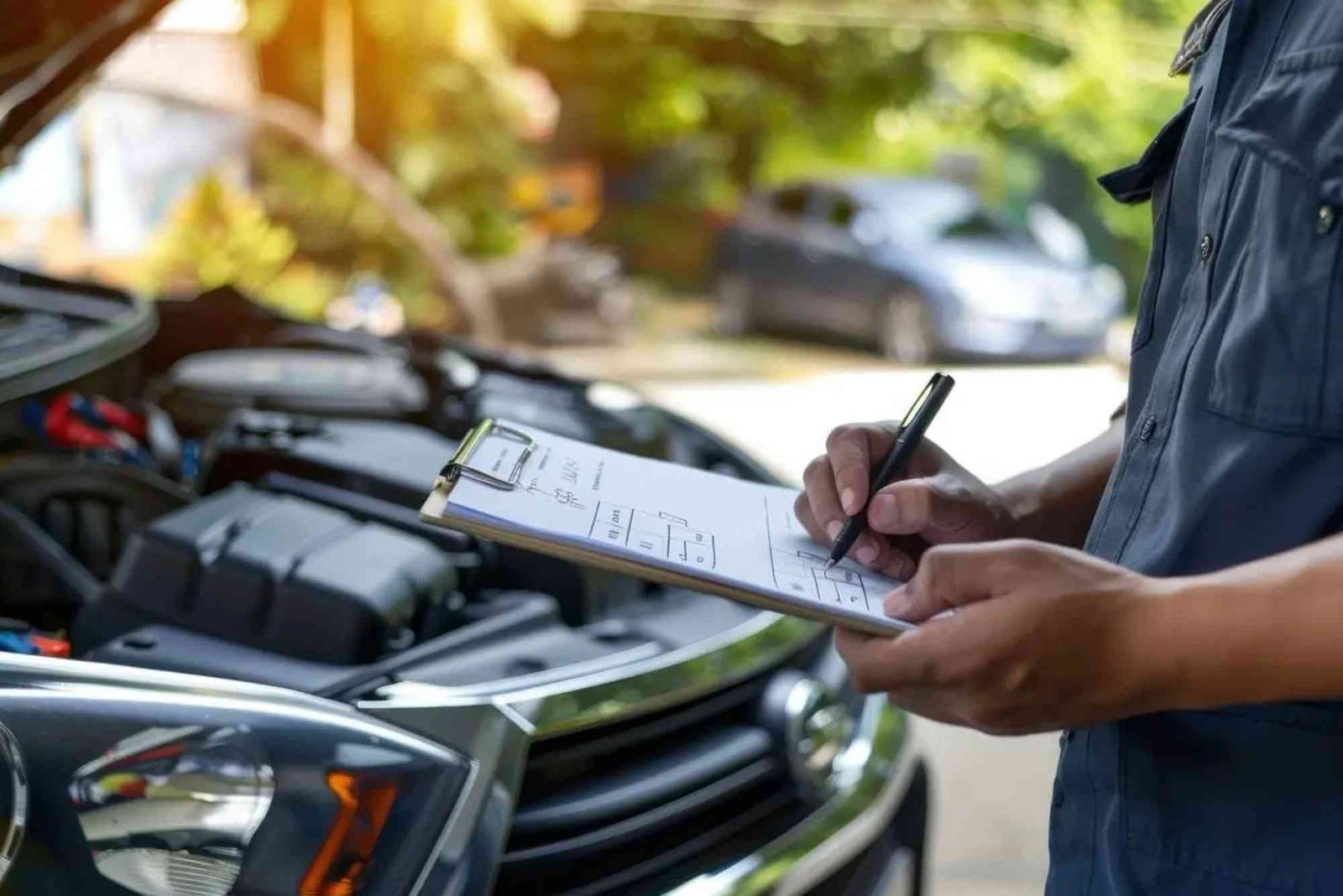
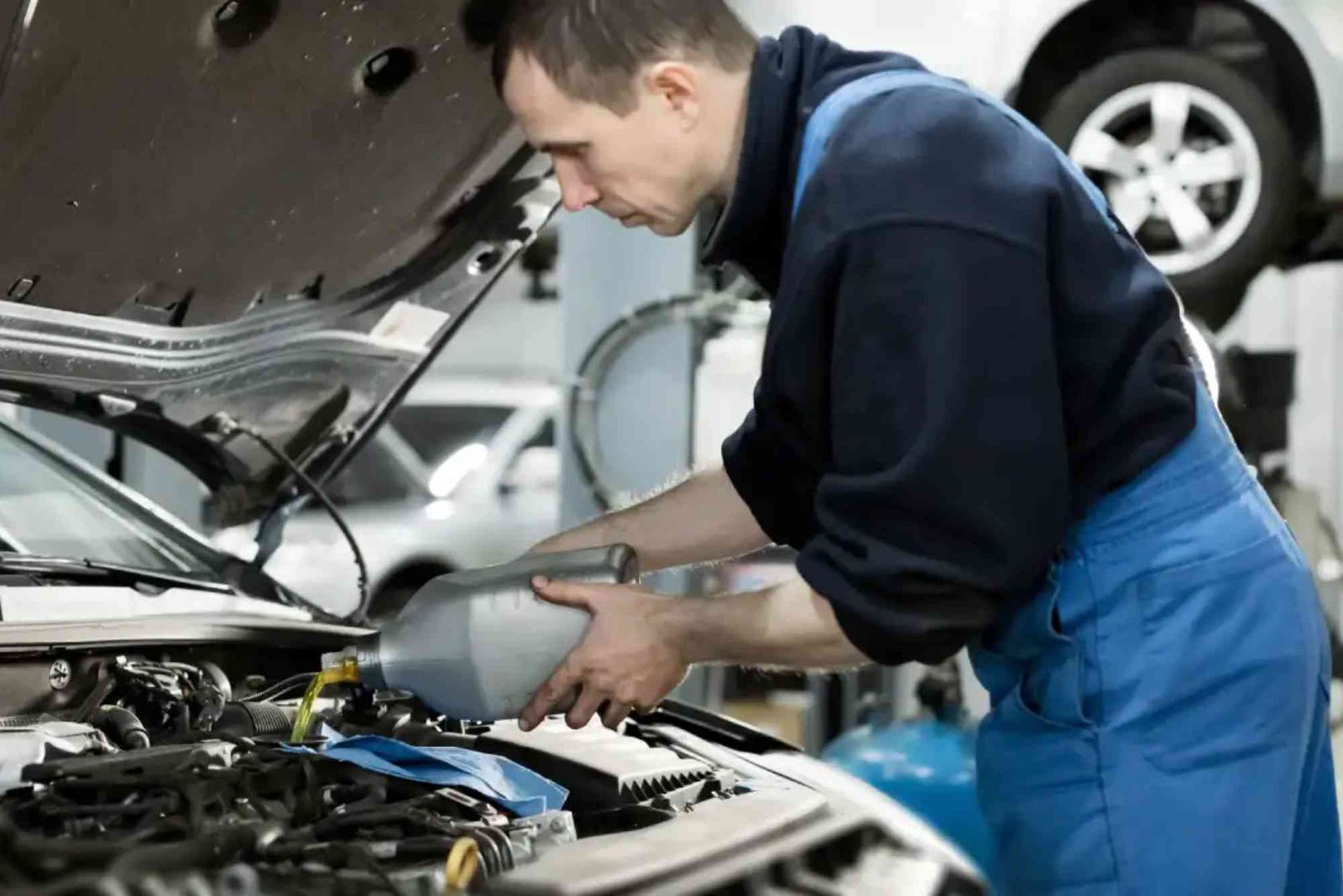
Never purchase a car without a detailed inspection. Check the exterior, interior, engine, and tires for signs of damage or unusual wear. Take the car for a test drive to ensure it runs smoothly. Consider hiring a professional mechanic to inspect the vehicle. Many scams involve hidden damage that is not disclosed upfront. A thorough inspection protects you from buying a car with mechanical issues or flood damage. Paying for an inspection is a small investment compared to the potential cost of a scam.
Watch for Fake or Altered Documents
Scammers often provide falsified documents to hide problems with the car. Always verify the vehicle title, registration, and any loan payoff information. Cross-check the Vehicle Identification Number (VIN) with official records. Be cautious if the seller refuses to show these documents or provides incomplete information. Fake documentation is a common tactic in scams involving stolen vehicles, odometer rollback, or lien fraud. Ensuring all paperwork is accurate and legally compliant helps prevent major financial loss.
Avoid Wire Transfers and Unusual Payment Methods
Payment methods can reveal red flags in a car buying scam. Avoid wire transfers, cashier checks, or any payment method that cannot be easily traced. Scammers prefer these methods because they are hard to reverse once completed. Use secure methods like bank transfers, or pay at the dealership after all documents are verified. Never send money before seeing the car in person and confirming ownership. Protecting yourself from fraudulent payment requests is essential to avoid losing your money to scams.
Be Cautious of “Too Good to Be True” Deals
If a car is priced significantly below market value, it may be a scam. Scammers use low prices to attract unsuspecting buyers quickly. Always compare the deal with the market average. Unrealistic deals often come with hidden issues or fraudulent claims. Don’t let excitement cloud your judgment. Take your time to evaluate the offer carefully and ask questions about the car’s history, maintenance, and reason for selling. A cautious approach minimizes the risk of falling for a scam.
Check for Odometer Fraud
Odometer fraud is a common scam in the used car market. Sellers may roll back the mileage to make the car appear less used. Always compare the odometer reading with maintenance records and service history. Inconsistent mileage could indicate tampering. Some scammers even replace the odometer entirely. By verifying mileage through reliable sources, you protect yourself from overpaying for a vehicle that has hidden wear and tear.
Be Wary of Online Car Listings
Online platforms are convenient, but they also attract scammers. Watch for listings with poor-quality photos, vague descriptions, or a reluctance to provide additional information. Avoid sellers who refuse video calls or insist on handling the transaction remotely. Scammers often create fake listings to collect deposits or personal information. Always confirm the vehicle’s existence, and if possible, inspect it in person before committing to any payment. Using caution online reduces exposure to potential scams.
Avoid High-Pressure Sales Tactics
Pressure tactics are a red flag in car buying scams. If a seller insists on immediate payment or threatens to sell to someone else, step back. Legitimate sellers understand the buyer needs time to make decisions. High-pressure tactics are often used to prevent thorough inspection or research. Trust your instincts and do not let urgency dictate your choices. Walking away from a suspicious deal is always safer than rushing into a potential scam.
Understand Financing and Loan Scams
Financing scams are also prevalent in car buying. Be wary of offers that guarantee approval regardless of credit history, unusually low interest rates, or requests for upfront fees. Only work with reputable lenders and verify all terms before signing. Scammers may also create fake loan documents to trick buyers into assuming debt for a car they do not own. Knowing how legitimate financing works helps you identify suspicious offers and protect your credit.
Ask Questions and Seek Documentation
Asking detailed questions about the car’s history, maintenance, and ownership is crucial. Scammers often provide vague or contradictory answers. Request service records, accident reports, and proof of any warranties. Legitimate sellers are transparent and willing to provide documentation. Keeping a record of all communication and agreements can protect you if a dispute arises. Being proactive in questioning the seller helps uncover potential fraud early.
Use a Third-Party Escrow Service When Necessary
For high-value purchases or remote transactions, consider using a third-party escrow service. This ensures the money is only released once all conditions of the sale are met. Escrow services reduce the risk of losing money to fraud. Avoid sellers who refuse to use a secure payment system. This extra precaution adds a layer of security, particularly when dealing with unfamiliar sellers or long-distance purchases.
Trust Your Instincts
Sometimes, intuition is the best defense against scams. If a deal feels off or too complicated, pause and reconsider. Scammers rely on confusing buyers and creating pressure. Taking time to evaluate the situation allows you to spot inconsistencies. Trusting your instincts, combined with research and verification, increases your chances of a safe and successful car purchase.
Conclusion
Avoiding car buying scams requires vigilance, research, and patience. By inspecting the vehicle, verifying documents, questioning the seller, and using secure payment methods, you minimize the risk of fraud. Remember that realistic prices, clear communication, and trusted sources are your best defense. A well-informed buyer is far less likely to fall victim to scams. Take your time, ask questions, and make decisions based on facts, not pressure. Protect yourself and your investment when buying a car. Start your search wisely and enjoy the peace of mind that comes with a safe purchase.
Understanding how to charge your electric vehicle efficiently is important for all new EV owners. Good charging habits help extend battery life, reduce electricity costs, and improve overall performance. For more details, read our guide on Top EV Charging Tips for New Electric Car Owners: This internal resource is helpful for beginners.
FAQs
How can I check if a car is stolen?
Use the Vehicle Identification Number (VIN) to verify the car’s history through official databases like the National Insurance Crime Bureau.
What is the safest way to pay for a car?
Secure methods like bank transfers or payments at a verified dealership are safest. Avoid wire transfers and cash to strangers.
How do I avoid fake listings online?
Look for detailed photos, clear descriptions, and verified seller accounts. Meet in person when possible and request full documentation.
What should I look for during a car inspection?
Check for engine problems, hidden damage, tire wear, and signs of accident repair. A professional mechanic inspection is highly recommended.
Is it necessary to verify the seller’s identity?
Yes, always request proof of ownership and ID to ensure the seller is legitimate and authorized to sell the vehicle.