Introduction
Transportation has always been a backbone of human progress, connecting people, goods, and ideas across distances. Over the years, technological innovations have revolutionized how we move, making travel faster, safer, and more efficient. From self-driving cars to smart logistics systems, technology is shaping the future of transportation in ways previously unimaginable. Understanding these advancements is crucial for businesses, governments, and individuals who rely on mobility for daily life and economic growth.
Smart Vehicles and Autonomous Driving
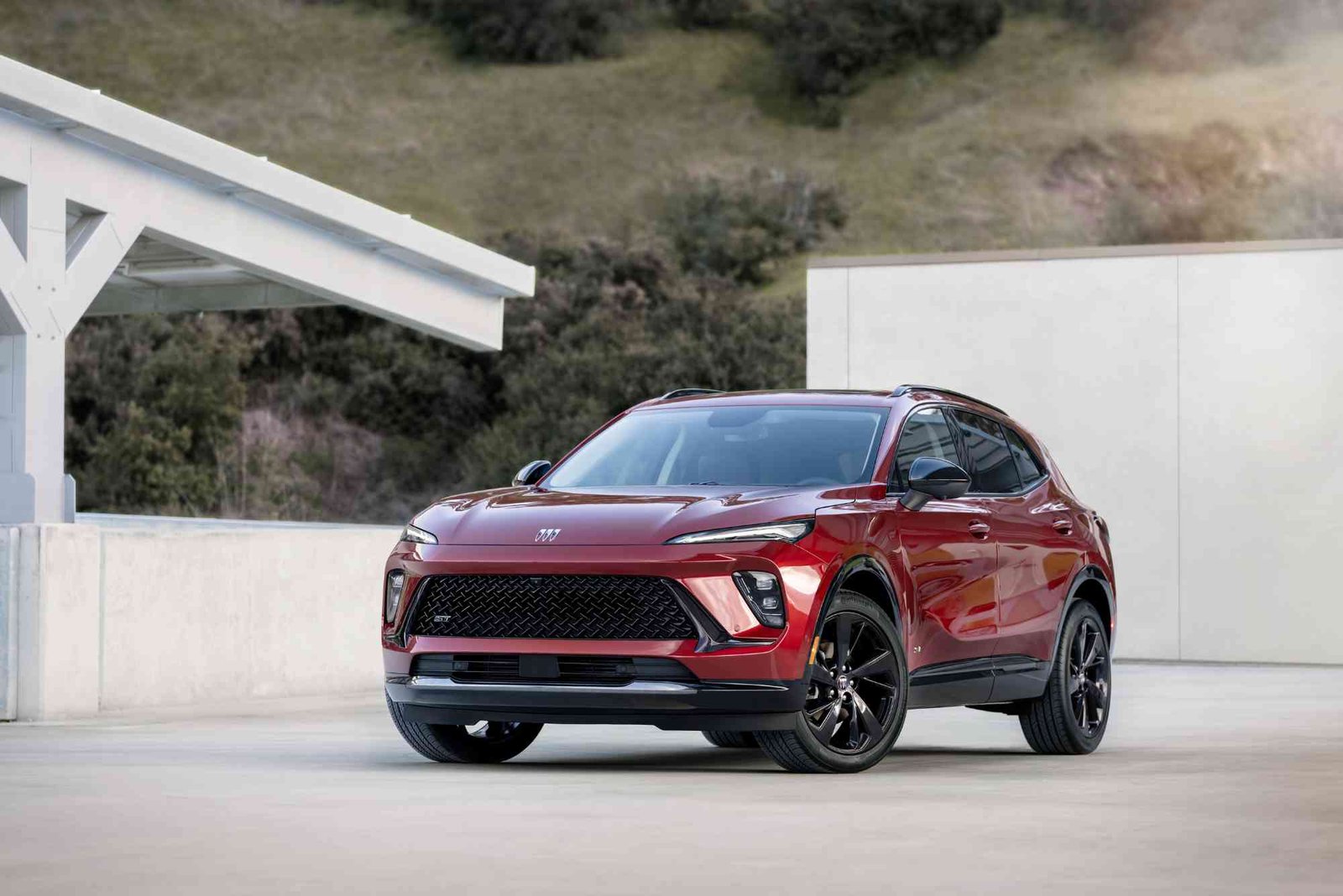
One of the most noticeable ways technology is improving transportation is through smart vehicles. Autonomous driving technology has advanced rapidly, allowing vehicles to navigate streets with minimal human intervention. Companies investing in artificial intelligence (AI) and machine learning are designing cars that can detect obstacles, predict traffic patterns, and optimize routes. This reduces accidents, improves fuel efficiency, and enhances the overall driving experience. Furthermore, electric autonomous vehicles reduce carbon emissions, aligning transportation with environmental sustainability goals.
Connected Transportation Systems
The integration of Internet of Things (IoT) technology into transportation has created connected systems that communicate in real-time. Smart traffic lights, GPS-enabled navigation, and vehicle-to-vehicle communication improve traffic flow and reduce congestion. For instance, IoT sensors on roads can alert drivers to accidents or hazards, allowing for quick detours and safer journeys. Connected systems also enable predictive maintenance for public transport and commercial fleets, minimizing breakdowns and service delays. This connectivity makes urban transport more reliable and user-friendly.
Electric and Sustainable Transport
Sustainability is a key focus of modern transportation technology. Electric vehicles (EVs) are replacing traditional gasoline-powered cars, reducing greenhouse gas emissions and dependence on fossil fuels. Advances in battery technology have increased the range and charging speed of EVs, making them practical for daily use. Moreover, innovations like solar-powered buses, hydrogen fuel cells, and electric bikes provide eco-friendly alternatives for public and personal transportation. These technologies are not only environmentally responsible but also cost-effective over time, creating a more sustainable future for mobility.
Public Transportation Innovations
Public transport systems are also benefiting from technological advancements. Smart ticketing and mobile apps allow passengers to plan routes, purchase tickets, and track vehicles in real-time. High-speed trains equipped with advanced signaling systems reduce travel time and improve safety. In some cities, AI-driven algorithms optimize bus and metro schedules based on passenger demand, ensuring efficient service. By improving reliability and convenience, technology encourages people to choose public transportation, which can reduce traffic congestion and lower urban pollution levels.
Logistics and Freight Management
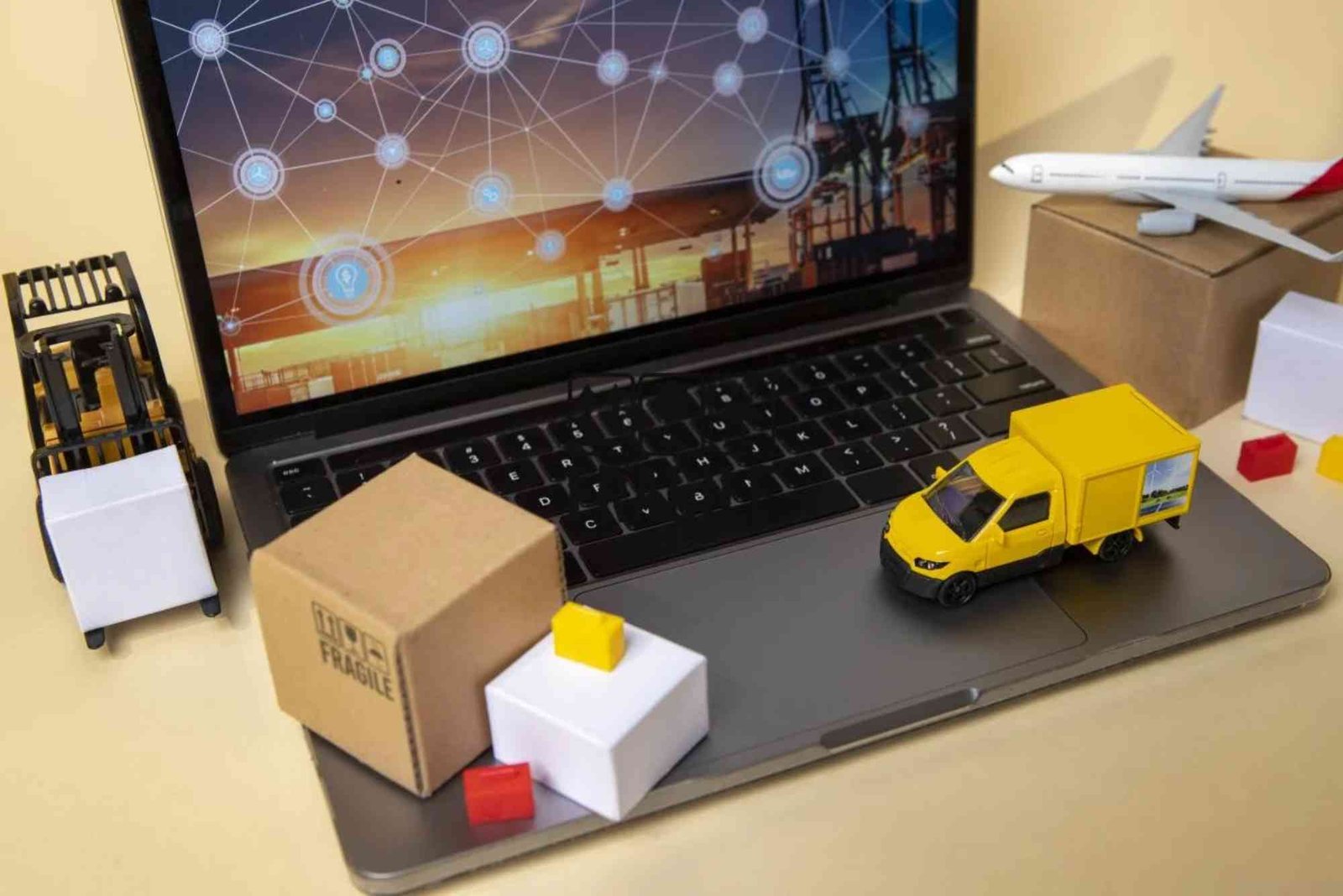
Technology is transforming freight and logistics, which play a critical role in global trade. Advanced tracking systems, automated warehouses, and AI-driven route optimization enhance the speed and accuracy of deliveries. Drones and autonomous trucks are increasingly used to transport goods efficiently over short and long distances. Predictive analytics allow logistics companies to anticipate demand, manage inventory, and reduce operational costs. By streamlining the supply chain, technology ensures faster deliveries, reduces waste, and supports e-commerce growth worldwide.
Safety Enhancements in Transportation
Safety remains a top priority in transportation, and technology is playing a pivotal role. Advanced driver-assistance systems (ADAS) such as lane-keeping assist, automatic emergency braking, and blind-spot detection prevent accidents. In aviation, real-time monitoring and AI-assisted navigation reduce the risk of errors during flights. Wearable devices for cyclists and pedestrians provide alerts for potential hazards, promoting road safety. These technologies save lives and build public trust in modern transportation systems.
Smart Infrastructure Development
Urban planning and infrastructure development are also being influenced by technology. Smart roads embedded with sensors monitor traffic, weather, and structural conditions. Intelligent street lighting adapts to traffic flow and pedestrian movement, reducing energy consumption. Bridges, tunnels, and highways can be equipped with monitoring systems that detect stress and damage early, allowing for proactive maintenance. Smart infrastructure not only improves efficiency but also enhances the safety and resilience of transportation networks.
Mobility as a Service (MaaS)
Mobility as a Service (MaaS) is a concept that combines multiple transportation options into a single digital platform. Users can plan trips, book tickets, and pay for different modes of transport—bikes, buses, trains, ride-hailing services—through one app. This integration reduces dependence on personal vehicles, encourages shared mobility, and streamlines urban travel. MaaS platforms rely on real-time data, AI, and cloud computing, making transportation more flexible, accessible, and user-friendly.
Impact on Urban Congestion
Traffic congestion is a major challenge in modern cities, and technology is providing effective solutions. Smart traffic management systems analyze real-time data to adjust traffic signals, control lane usage, and redirect vehicles to reduce bottlenecks. Ride-sharing platforms optimize routes and carpooling, decreasing the number of cars on the road. Micro-mobility options such as e-scooters and bike-sharing programs provide convenient last-mile solutions. Together, these technologies improve traffic flow, reduce travel times, and enhance the quality of urban life.
Data-Driven Decision Making
The availability of big data has transformed transportation planning. Cities, companies, and governments can now use data analytics to understand travel patterns, passenger demand, and infrastructure usage. This information helps in designing better transit systems, improving safety protocols, and reducing operational costs. Predictive models allow transportation agencies to plan for future growth, manage emergencies, and respond to disruptions efficiently. Data-driven insights make transportation systems smarter, more responsive, and more sustainable.
Future of Transportation Technology
Looking ahead, transportation technology will continue to evolve rapidly. Hyperloop systems, flying cars, and advanced drone networks could redefine how people and goods move. AI, machine learning, and quantum computing will enhance predictive capabilities, optimizing routes and energy consumption. Integration of renewable energy sources into transportation infrastructure will support climate goals. As these innovations become mainstream, the transportation landscape will become faster, safer, and more environmentally friendly than ever before.
Conclusion
Technology is reshaping transportation by improving efficiency, safety, and sustainability. From autonomous vehicles to smart infrastructure, every aspect of mobility is being enhanced. Businesses benefit from faster logistics, governments can manage urban congestion, and individuals enjoy safer, more convenient travel options. The future of transportation is digital, interconnected, and eco-friendly. Embracing these technological advancements is essential for creating a smarter and more sustainable world. Explore these innovations and see how they can improve your travel experience today.
Home security is becoming more advanced with smart alarms, CCTV systems, and AI-powered monitoring tools that help protect homes from modern threats. Choosing the right technology can greatly improve safety and peace of mind for families. Learn more about smart protection options in our guide “Top Home Security Technologies to Consider” for detailed insights and tips for better security setup.
FAQs
How is technology making transportation safer?
Technology such as advanced driver-assistance systems, AI navigation, and real-time monitoring reduces accidents and improves road safety.
What role do electric vehicles play in transportation improvements?
Electric vehicles reduce carbon emissions, lower fuel costs, and provide sustainable alternatives to traditional vehicles.
How does smart infrastructure enhance transportation?
Sensors, smart traffic lights, and monitoring systems improve traffic flow, detect issues early, and optimize urban mobility.
What is Mobility as a Service (MaaS)?
MaaS integrates multiple transportation modes into one platform, allowing users to plan, book, and pay for trips seamlessly.
How are logistics and freight changing with technology?
AI, predictive analytics, and autonomous vehicles optimize delivery routes, reduce operational costs, and enhance efficiency in supply chains.