
Introduction
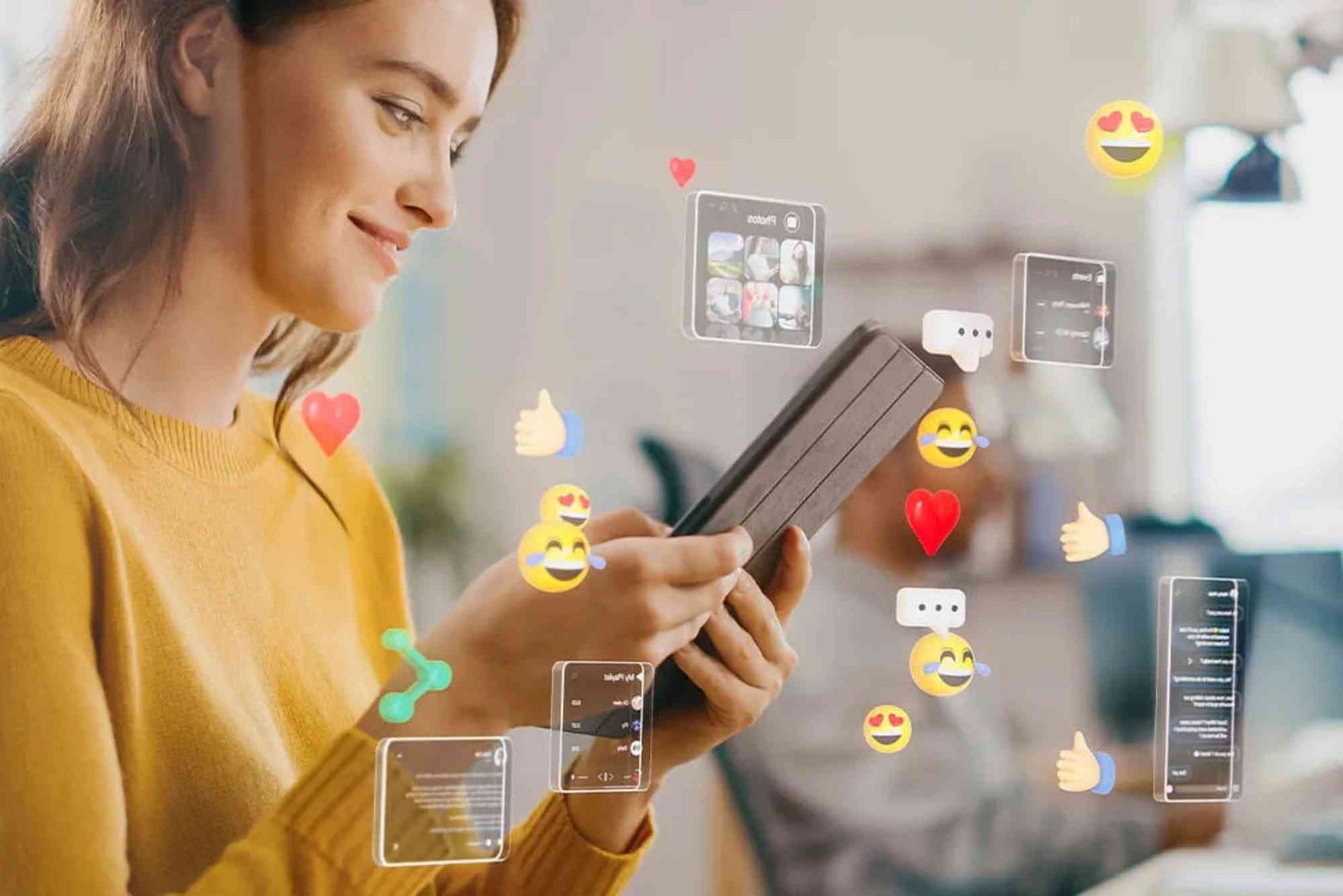
The world of influencer marketing is evolving rapidly, and 2025 is set to redefine how creators engage with audiences. Influencers are no longer just content creators; they are brand partners, thought leaders, and trendsetters who can shape public opinion and drive real-world action. As platforms evolve and audiences become more selective, understanding the top influencer trends for 2025 is essential for brands, marketers, and aspiring influencers who want to stay ahead.
The Rise of Micro and Nano Influencers
Brands are increasingly turning to micro and nano influencers to foster authentic connections with niche audiences. Unlike mega-influencers with millions of followers, micro-influencers have smaller, highly engaged communities. Their content feels personal, trustworthy, and relatable. In 2025, this trend is expected to grow as consumers seek genuine recommendations rather than mass-marketed promotions. Working with these influencers allows brands to target specific demographics with precision while achieving higher engagement rates.
Video-First Content Dominance
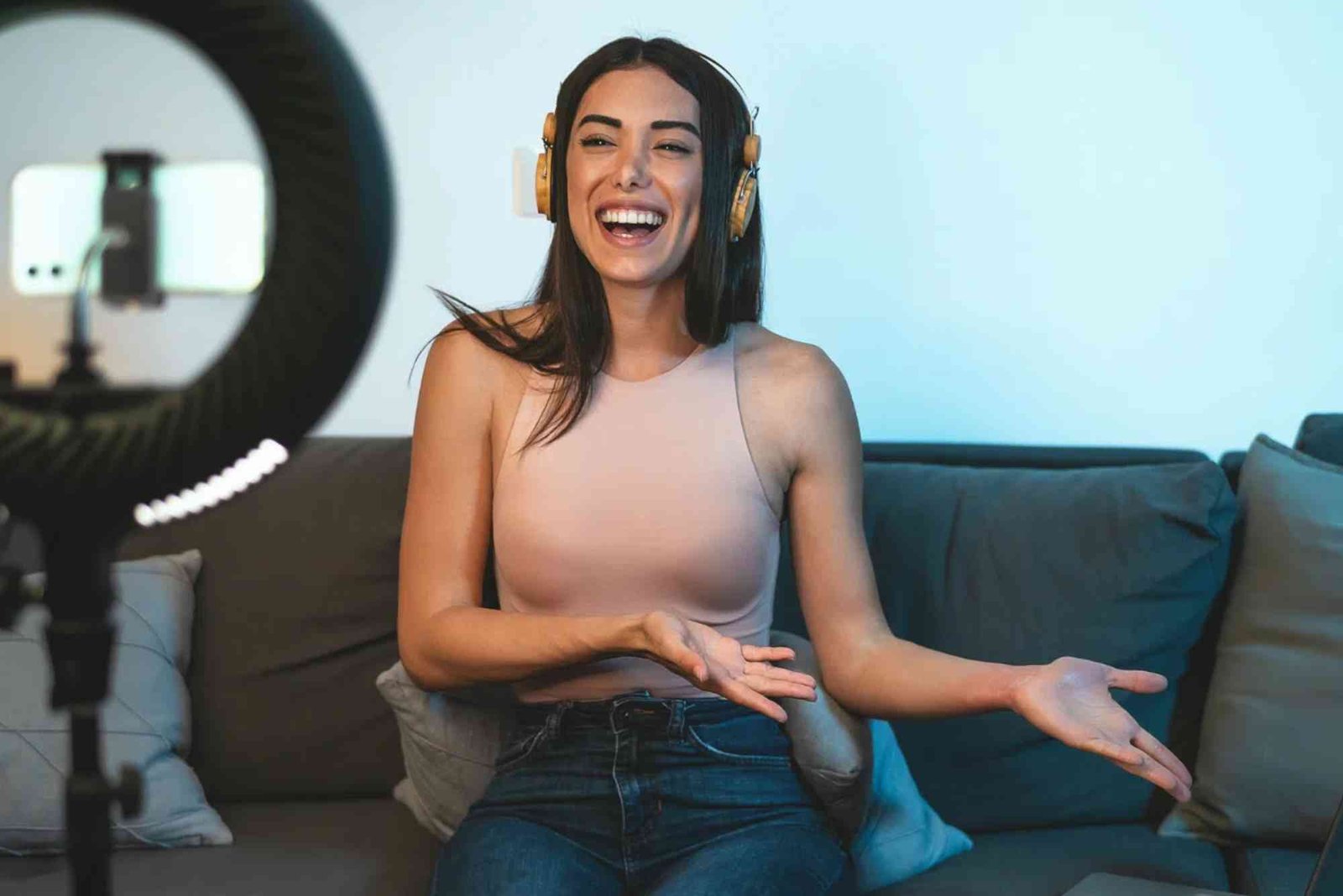
Short-form video content continues to dominate social media, and 2025 will see this trend accelerate. Platforms like TikTok, Instagram Reels, and YouTube Shorts prioritize dynamic, visually engaging videos. Influencers are leveraging storytelling, humor, and creativity to capture attention quickly. Video-first strategies help influencers build stronger emotional connections with audiences, making their recommendations more persuasive. Brands should embrace this format by collaborating on authentic campaigns that feel natural within video content rather than overt advertisements.
Authenticity Over Perfection
Audiences are increasingly rejecting overly polished content. In 2025, influencers who showcase authentic experiences, behind-the-scenes moments, and real-life challenges will attract more loyalty. Consumers value honesty and relatability over curated perfection. Influencers sharing personal stories, struggles, or unfiltered moments resonate with followers and build deeper engagement. Brands that support genuine messaging and allow influencers creative freedom will benefit from enhanced trust and long-term relationships.
AI-Powered Content Creation
Artificial intelligence is becoming a powerful tool for influencers, enabling faster content production and trend analysis. AI can assist with video editing, caption generation, and identifying viral opportunities. In 2025, influencers who strategically use AI to enhance creativity without compromising authenticity will stand out. Brands can also leverage AI to identify emerging influencers, analyze performance metrics, and predict audience preferences for more effective campaigns.
Social Commerce Integration
The integration of social commerce into platforms is transforming how influencers drive sales. In 2025, influencers will increasingly act as direct sales channels, promoting products through shoppable posts, livestream shopping, and interactive storefronts. This trend allows audiences to make purchases without leaving social platforms, shortening the sales funnel and improving conversion rates. Influencers with strong trust and credibility can turn recommendations into tangible revenue, making them invaluable partners for brands seeking measurable results.


Niche Communities and Hyper-Specialization
Influencers who cater to specific niches are gaining prominence. From sustainable fashion and gaming to mental wellness and fitness, hyper-specialized influencers attract highly engaged communities. In 2025, this trend will grow as audiences seek expertise, shared interests, and targeted content. Brands can benefit from collaborating with niche influencers to reach precise audiences and create tailored campaigns that resonate deeply rather than relying on broad, generic messaging.
Sustainability and Ethical Advocacy
Consumers increasingly care about social impact, sustainability, and ethical practices. Influencers who advocate for environmental responsibility, social justice, and ethical consumerism are more likely to attract loyal followers. In 2025, partnerships between brands and influencers will increasingly emphasize values alignment. Authentic advocacy can strengthen brand reputation while appealing to socially conscious audiences, creating campaigns that have both cultural and commercial relevance.
Cross-Platform Presence
Successful influencers in 2025 will maintain a strong presence across multiple platforms, adapting content to suit each channel’s audience. While TikTok, Instagram, and YouTube remain central, emerging platforms and virtual spaces like metaverse environments offer new opportunities. Influencers who diversify their content distribution reduce dependence on any single platform while expanding reach and engagement. Brands should collaborate with influencers who demonstrate versatility and adaptability across multiple digital ecosystems.
Collaborative and Community-Driven Campaigns
Collaboration is key to influencer success in 2025. Audiences respond well to content that feels participatory, such as collaborative challenges, co-created campaigns, and interactive live sessions. Community-driven approaches encourage audience interaction, increase engagement, and foster brand loyalty. Influencers who actively involve followers in content creation or decision-making build stronger communities, making marketing efforts more organic and impactful.
Data-Driven Influencer Strategies
Analytics and performance tracking are no longer optional. Brands and influencers in 2025 will rely heavily on data to optimize campaigns, measure ROI, and predict trends. Understanding audience demographics, engagement patterns, and content performance allows for more targeted collaborations. Data-driven approaches also help identify authentic influencers whose audiences align with brand values, ensuring more effective and sustainable partnerships.
Embracing the Future of Influencer Marketing
The influencer landscape in 2025 is defined by authenticity, creativity, and meaningful engagement. Brands and creators who understand these trends and adapt quickly will lead the market. From leveraging micro-influencers to integrating social commerce and embracing AI, the opportunities for growth are vast. Staying ahead requires innovation, flexibility, and a commitment to genuine audience connections. Whether you are a brand seeking strategic collaborations or an aspiring influencer aiming to grow your presence, aligning with these trends is the key to success. Embrace these insights, experiment boldly, and connect authentically to thrive in the evolving world of influencer marketing.
Take the next step today: start analyzing your audience, identify trending niches, and collaborate with influencers who resonate authentically. The future of influencer marketing waits for those who adapt and innovate.
Boosting customer loyalty is key for business growth. Implementing effective strategies can enhance retention and increase revenue. From personalized experiences to proactive support, businesses must focus on keeping clients engaged. Learn more about the top customer retention strategies here.
FAQs
What are influencer trends for 2025?
Influencer trends for 2025 focus on authenticity, micro-influencers, video-first content, social commerce, niche communities, and ethical advocacy.
Why are micro-influencers gaining popularity?
Micro-influencers offer higher engagement, trust, and personalized connections with niche audiences compared to larger influencers.
How is AI shaping influencer marketing?
AI helps influencers create content faster, analyze trends, optimize campaigns, and predict audience preferences without losing authenticity.
What role does social commerce play in influencer marketing?
Social commerce enables influencers to directly drive sales through shoppable posts, livestreams, and interactive shopping experiences.
How can brands choose the right influencers?
Brands should consider audience alignment, engagement rates, content authenticity, niche relevance, and values alignment for long-term partnerships.
Are niche influencers more effective than mega-influencers?
Yes, niche influencers attract highly engaged, loyal audiences, offering better ROI for targeted campaigns than broad, generic promotion.