
Introduction
Modern cars are equipped with a range of electronic systems, from infotainment screens to engine control modules. These components enhance driving experience and vehicle efficiency, but they are also sensitive to environmental and electrical hazards. Protecting car electronics is essential to avoid costly repairs, maintain vehicle reliability, and ensure the safety of both the driver and passengers. Understanding common risks and adopting preventive measures can extend the life of these electronics.
Understanding the Risks to Car Electronics
Car electronics face threats from several sources. Temperature extremes can damage delicate circuits, with overheating affecting both performance and longevity. Excessive cold can lead to battery problems and impact electronic displays. Moisture and humidity present another danger. Water intrusion from rain, leaks, or car washes can cause short circuits and corrosion. Dust and debris can accumulate on sensitive components, leading to malfunctions. Electrical surges, often caused by faulty wiring, jump-starting errors, or lightning strikes, can fry circuits in seconds. Even regular wear and tear can slowly degrade electronic components if not properly maintained.
Temperature Management
Maintaining a stable temperature is crucial. Parking in shaded areas or garages helps prevent overheating during hot weather. Sunlight can increase the internal temperature, stressing electronic circuits and the battery. In winter, extreme cold can affect battery performance and the functionality of sensors. Using insulated covers for electronic modules or keeping the car in temperature-controlled environments can help maintain stable conditions. Regular checks of the cooling system and engine components also reduce the risk of heat-related electronic damage.
Protecting Against Moisture and Water Damage
Water is one of the most destructive forces for car electronics. Moisture can seep into electrical connections, leading to short circuits and corrosion. Seals around doors, windows, and trunks should be regularly inspected and replaced if worn. When washing the car, avoid using high-pressure water near engine electronics or exposed wiring. Installing moisture-absorbing packs in areas prone to humidity, such as the glove compartment or under seats, can provide an extra layer of protection. For vehicles exposed to heavy rain or snow, a professional waterproofing treatment can safeguard electronic modules.
Electrical System Care
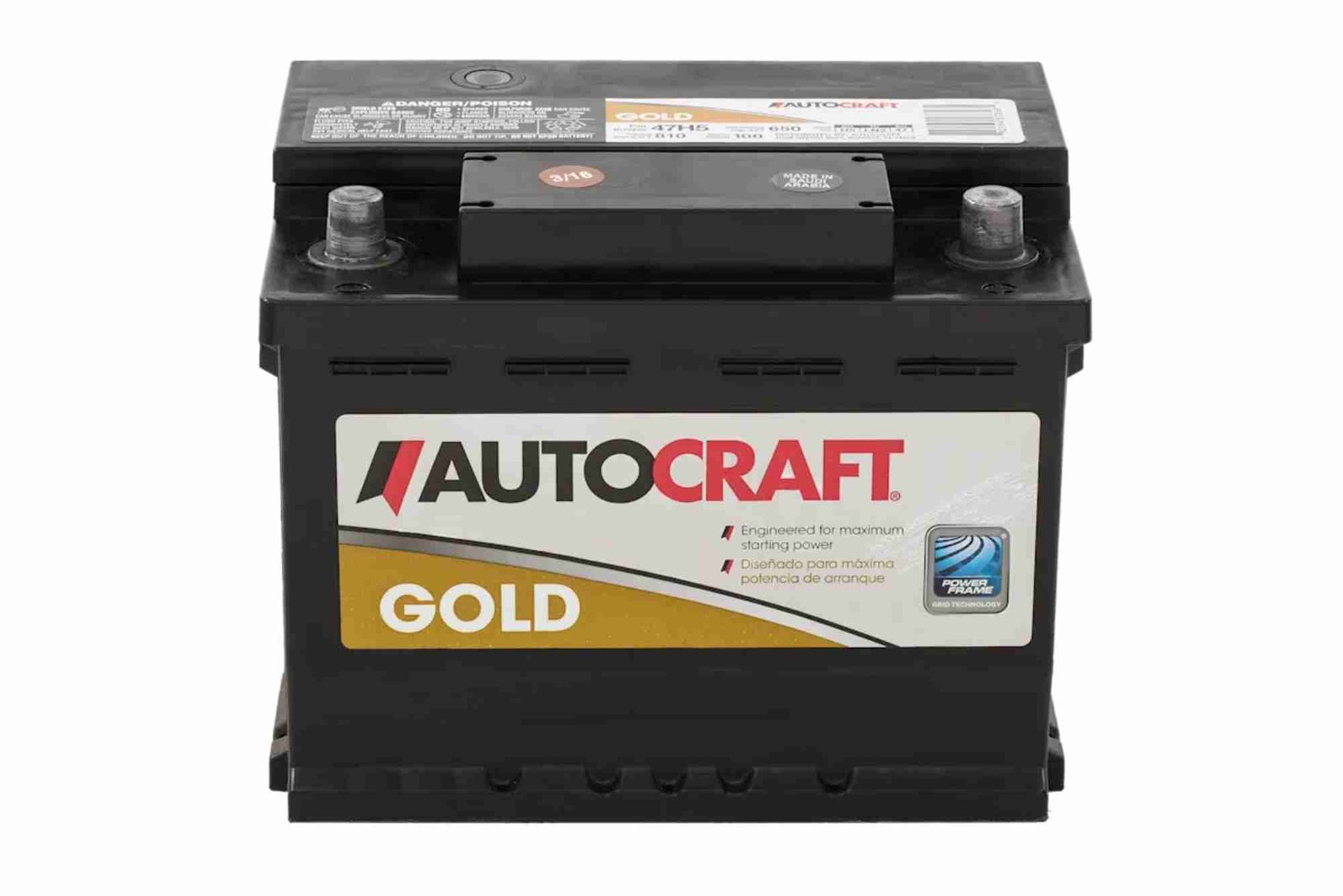
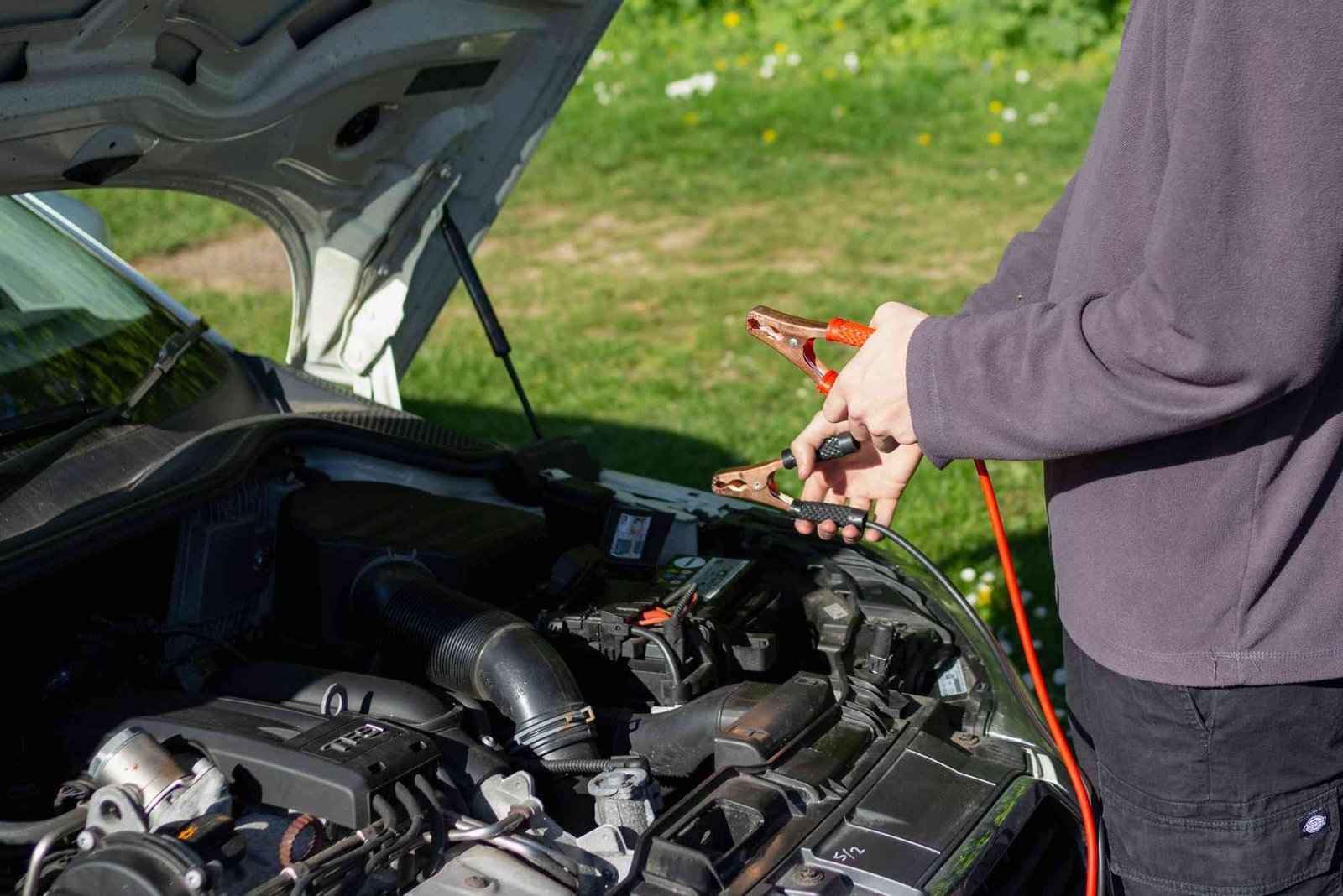
A well-maintained electrical system prevents many electronics-related issues. Regularly inspect the battery, alternator, and fuses to ensure stable voltage delivery. Avoid frequent jump-starting, as sudden voltage spikes can damage sensitive components. When installing aftermarket electronics, use professional-grade wiring and avoid overloading circuits. Voltage stabilizers or surge protectors can be installed for added protection, particularly in vehicles with advanced infotainment and navigation systems. Proper grounding of all electronic devices is essential to avoid interference and unexpected failures.
Regular Cleaning and Maintenance
Dust, dirt, and grime accumulation can affect electronic performance. Clean the dashboard, vents, and infotainment screens with appropriate tools and solutions. Avoid using water directly on electronic devices, as this can seep into sensitive components. Periodically remove debris from the engine bay, paying attention to sensors and connectors. Ensuring connectors are tight and corrosion-free improves performance and reduces the risk of sudden failures. Professional inspections every 6 to 12 months help identify minor problems before they escalate into major repairs.


Using Protective Accessories
Several protective accessories can safeguard car electronics. Screen protectors prevent scratches on infotainment displays, while cable organizers reduce wear and accidental damage. Protective covers for battery terminals prevent corrosion. In addition, electronic module covers and shields prevent dust and water intrusion. Parking sensors, dash cams, and other electronic add-ons should be mounted securely to avoid movement and strain on wiring. Choosing high-quality accessories designed specifically for the vehicle ensures better protection and longevity.
Safe Driving Practices
Driving habits also impact electronic longevity. Avoid slamming doors, which can jar internal electronics. Do not ignore warning lights or error messages, as these indicate underlying issues with sensors or control modules. Sudden accelerations and harsh braking can stress electronic control systems. Regularly monitor performance and respond promptly to any abnormalities. Even minor neglect, such as ignoring low battery warnings, can lead to bigger electronic failures over time.
Professional Inspections and Updates
Modern vehicles often require software updates to optimize electronic systems. Many manufacturers release firmware updates to improve performance or fix glitches. Regularly visit authorized service centers to ensure updates are applied. Professional inspections can detect wiring issues, corrosion, or faulty sensors that might not be obvious during routine use. Technicians can also calibrate systems like navigation, parking sensors, and safety electronics for optimal functionality.
Long-Term Storage Considerations
If the vehicle will be unused for an extended period, special precautions are necessary. Disconnect the battery or use a battery maintainer to prevent discharge. Cover the car to avoid dust and moisture accumulation. Keep the vehicle in a dry, cool location to protect electronics from environmental stress. Periodically start the engine and test electronic systems to ensure they remain functional. Long-term storage without these precautions can result in irreparable damage to electronic modules and sensors.
Protecting car electronics requires a combination of preventive maintenance, careful driving, and strategic storage. From temperature management to moisture protection and professional inspections, every step contributes to the longevity and reliability of your vehicle’s electronic systems. Investing in these protective measures not only reduces repair costs but also ensures a safe and enjoyable driving experience. Regular attention to electronic health is a simple yet powerful way to safeguard your investment.
By implementing these strategies, you can avoid unexpected failures and maximize the performance of your car electronics. Start today by inspecting your vehicle, updating software, and using protective accessories to keep electronics safe for years to come.
Experiencing a shaky drive can be frustrating and dangerous. Learning how to fix steering wheel vibration issues can save you time and prevent costly repairs. Our detailed guide explains causes, solutions, and maintenance tips. Check out the full instructions here to keep your steering smooth and safe.
FAQs
How do I prevent car electronics from water damage?
Inspect seals, avoid high-pressure water, and use moisture-absorbing packs in areas prone to humidity.
Can extreme heat harm my car’s electronics?
Yes, overheating can degrade circuits, affect sensors, and reduce battery performance.
Are surge protectors necessary for car electronics?
While not mandatory, surge protectors help prevent damage from voltage spikes or electrical faults.
How often should I have electronics inspected?
Professional inspections every 6 to 12 months are recommended for optimal performance and early issue detection.
Does disconnecting the battery protect electronics during storage?
Yes, disconnecting or using a battery maintainer prevents discharge and protects sensitive systems during long-term storage.