

Introdution
Long road trips are exciting adventures, offering freedom, scenic views, and unforgettable experiences. However, without proper preparation, they can quickly turn stressful. Preparing your car for a long journey is essential to ensure safety, comfort, and efficiency. Whether you are traveling across states or exploring remote destinations, taking proactive steps before hitting the road can prevent unexpected breakdowns and make your trip enjoyable. This guide provides detailed advice to get your car ready for long journeys and ensures you travel confidently.
Check Your Vehicle’s Fluids and Oil
One of the first steps in preparing your car for a long road trip is inspecting all essential fluids. Engine oil plays a critical role in keeping your engine running smoothly. Check the oil level and quality, and replace it if necessary. Brake fluid, transmission fluid, coolant, and windshield washer fluid are equally important. Low or dirty fluids can cause mechanical issues or reduce the car’s performance. Additionally, consider topping up your power steering fluid to ensure smooth handling, especially during extended drives. Maintaining fluid levels not only prolongs your car’s lifespan but also enhances safety on the road.
Inspect Tires and Alignment
Tires are your car’s direct contact with the road, so their condition is crucial. Before embarking on a long road trip, inspect tire pressure and tread depth. Properly inflated tires improve fuel efficiency, handling, and braking performance. Uneven wear patterns may indicate alignment or suspension issues, which should be addressed before your journey. Don’t forget the spare tire; make sure it is fully inflated and ready for emergency use. Checking tire condition regularly during your trip is also a good practice to prevent flat tires or blowouts.
Examine Brakes and Suspension
Your car’s braking system is a vital safety feature. Before a long journey, inspect brake pads, rotors, and fluid levels. Worn-out brake components can compromise stopping power and increase accident risk. If you hear unusual noises or feel vibrations while braking, have a professional mechanic check the system. The suspension system, including shocks and struts, also affects ride comfort and vehicle stability. A smooth suspension ensures better handling on rough or uneven roads and prevents driver fatigue. Ensuring your brakes and suspension are in optimal condition is key to a safe and comfortable road trip.
Test Lights and Electrical Systems
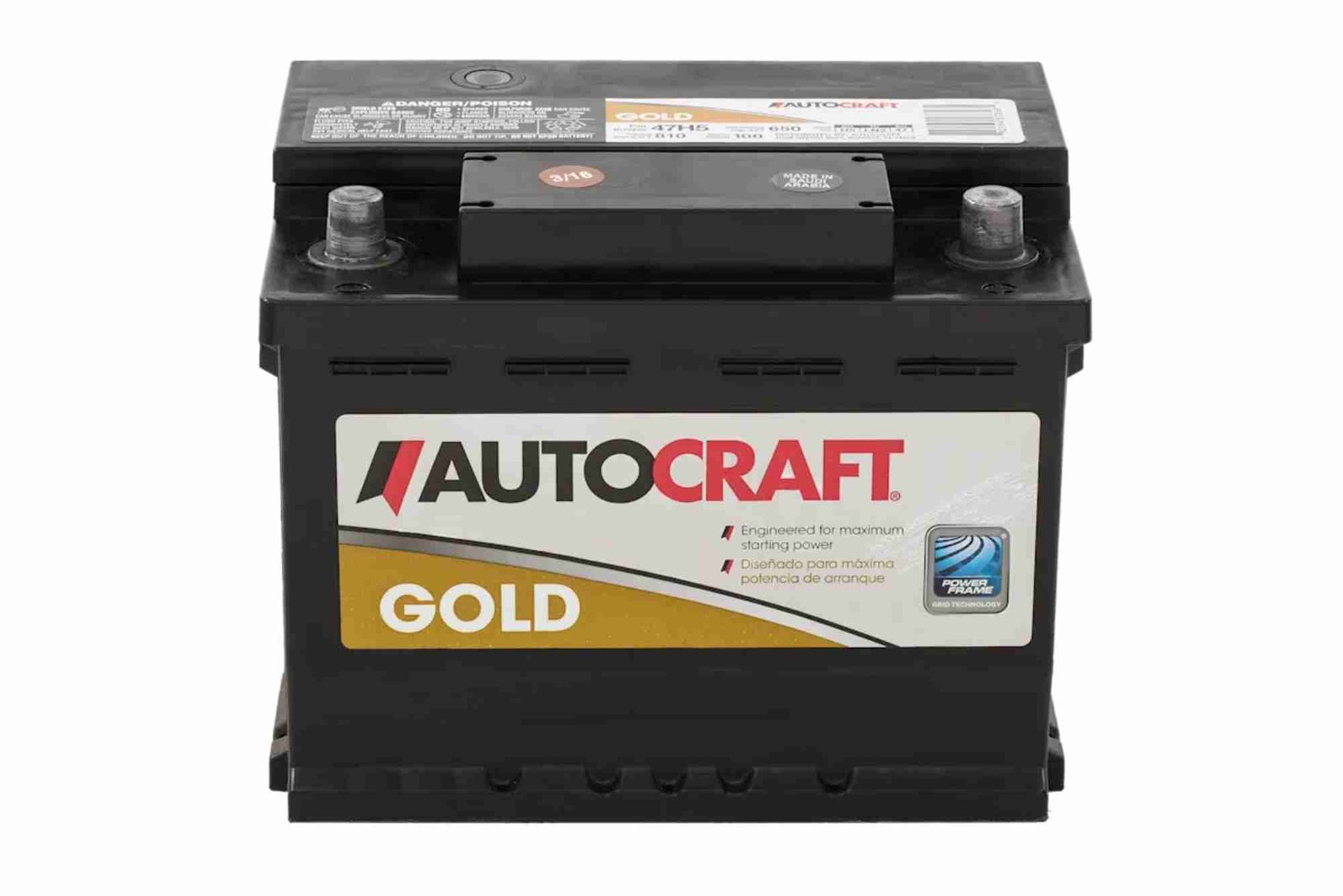
Properly functioning lights are essential for visibility and safety. Test all headlights, brake lights, turn signals, and hazard lights before leaving. Malfunctioning lights can cause accidents or legal issues. Additionally, check your car battery and charging system. A weak battery can leave you stranded in remote areas, especially during cold weather. Inspect fuses, wiper blades, and dashboard warning lights to ensure all systems operate correctly. Simple checks can prevent major disruptions and enhance peace of mind on long drives.
Plan Your Route and Navigation
Even the best-prepared car can’t guarantee a smooth trip without proper planning. Before starting your journey, research your route, including stops for fuel, food, and rest. GPS devices or navigation apps can provide real-time traffic updates and alternate routes, but carrying a physical map is a wise backup. Familiarize yourself with road conditions, tolls, and local regulations. Planning also helps estimate driving time, reducing fatigue and stress. A well-planned route ensures a smoother journey and allows you to enjoy the drive more fully.


Pack Essential Tools and Emergency Supplies
Carrying essential tools and emergency supplies is crucial for any long road trip. Items like a jack, jumper cables, tire repair kit, and basic hand tools can help handle minor repairs. Keep a first-aid kit, flashlight, extra batteries, and reflective warning triangles for safety. Pack extra water, snacks, blankets, and a portable phone charger to prepare for unexpected delays or emergencies. Being well-equipped boosts confidence and ensures that minor setbacks do not turn into major problems. Preparation in advance is always better than dealing with emergencies on the road.
Check Air Conditioning and Heating Systems
Long drives can expose you to extreme weather conditions. Properly functioning air conditioning and heating systems ensure comfort during the journey. Air filters should be clean to maintain airflow and prevent allergies or discomfort. If your vehicle struggles to maintain temperature, have a mechanic inspect the system before departure. Comfortable cabin conditions reduce fatigue, increase alertness, and make the journey more enjoyable for all passengers.
Fuel and Efficiency Considerations
Fuel management is another essential aspect of preparing your car for long road trips. Start with a full tank and plan refueling stops according to your route. If your car is older or has high mileage, consider checking the fuel system for leaks or clogged filters. Efficient driving, like maintaining a steady speed and avoiding harsh acceleration, can save fuel and reduce wear on your engine. Proper preparation ensures you are not left searching for gas stations in remote areas. Fuel efficiency contributes to both safety and convenience.
Clean and Organize Your Vehicle
A clean, organized car contributes to a stress-free road trip. Remove unnecessary clutter, clean windows, and ensure visibility is unobstructed. Organize luggage and supplies for easy access, placing heavier items low to maintain vehicle stability. A tidy environment reduces distractions and creates a more comfortable cabin. Additionally, having a clean vehicle makes roadside stops more pleasant and ensures that all essential items are easy to find during the journey.
Prepare for Driver Comfort and Safety
Long road trips require alertness and physical comfort. Adjust your seat and mirrors for optimal visibility and comfort. Consider seat cushions or lumbar support for extended hours of driving. Take regular breaks to stretch, hydrate, and rest. Fatigue is one of the leading causes of accidents on long journeys, so planning rest stops and sharing driving responsibilities, if possible, is essential. Proper preparation ensures both driver and passenger comfort, making the trip safer and more enjoyable.
Preparing your car for a long road trip is about safety, comfort, and peace of mind. From checking fluids and tires to packing emergency supplies and planning your route, each step contributes to a smoother journey. A well-maintained car reduces the risk of breakdowns, improves fuel efficiency, and ensures a more enjoyable experience. By taking these proactive measures, you can focus on the adventure, scenic views, and quality time with your travel companions. Start your road trip confidently by preparing your car thoroughly and enjoy a worry-free journey. Start your next adventure by checking your vehicle today. Ensure every component is ready for a safe, comfortable, and unforgettable road trip.
Looking for your next adventure on wheels? Check out our top SUVs to consider in 2025 to find the perfect blend of style, performance, and safety. From fuel-efficient options to luxury rides, these SUVs are designed to meet every driver’s needs. Explore the full list here and make an informed choice for your next vehicle.
FAQs
How often should I check my car before a long road trip?
It’s best to inspect your car a week before departure and do a final check on the day of travel.
What emergency supplies should I carry for a road trip?
Essential items include a first-aid kit, jack, jumper cables, flashlight, water, snacks, blankets, and a tire repair kit.
How do I know if my tires are safe for a long trip?
Check tire pressure, tread depth, and look for cracks or uneven wear. Ensure the spare tire is also ready.
Should I service my car before every long road trip?
Yes, regular servicing helps prevent breakdowns, improves efficiency, and ensures safety, especially for trips exceeding a few hundred miles.
Can I drive long distances without checking fluids?
No. Neglecting fluids can cause engine overheating, brake failure, or transmission issues. Checking fluids is crucial for reliability and safety.
How do I maintain comfort on long drives?
Adjust your seat, use lumbar support, plan rest stops, and maintain a comfortable cabin temperature with working air conditioning or heating.