

When To Change Car Tyres
Car tyres are the only contact between your vehicle and the road, making their condition critical for safety and performance. Knowing when to change car tyres can prevent accidents, improve fuel efficiency, and ensure smooth driving. Many drivers overlook tyre maintenance until it’s too late, risking both safety and higher costs. This guide will help you understand the key signs, factors, and timing for tyre replacement.
Understanding Tyre Lifespan
Tyre Age and Manufacturer Recommendations
Most tyre manufacturers recommend replacing tyres every 6–10 years, even if tread appears fine. Rubber compounds degrade over time, reducing grip and increasing the risk of blowouts. Always check the manufacture date on the tyre sidewall; it is indicated by the last four digits of the DOT code.
Mileage Considerations
Tyres typically last 25,000–50,000 miles depending on type, driving conditions, and maintenance. High-performance tyres often wear faster, while touring tyres can last longer. Regular checks help prevent premature replacements or dangerous overuse.
Signs You Need New Tyres
Tread Wear
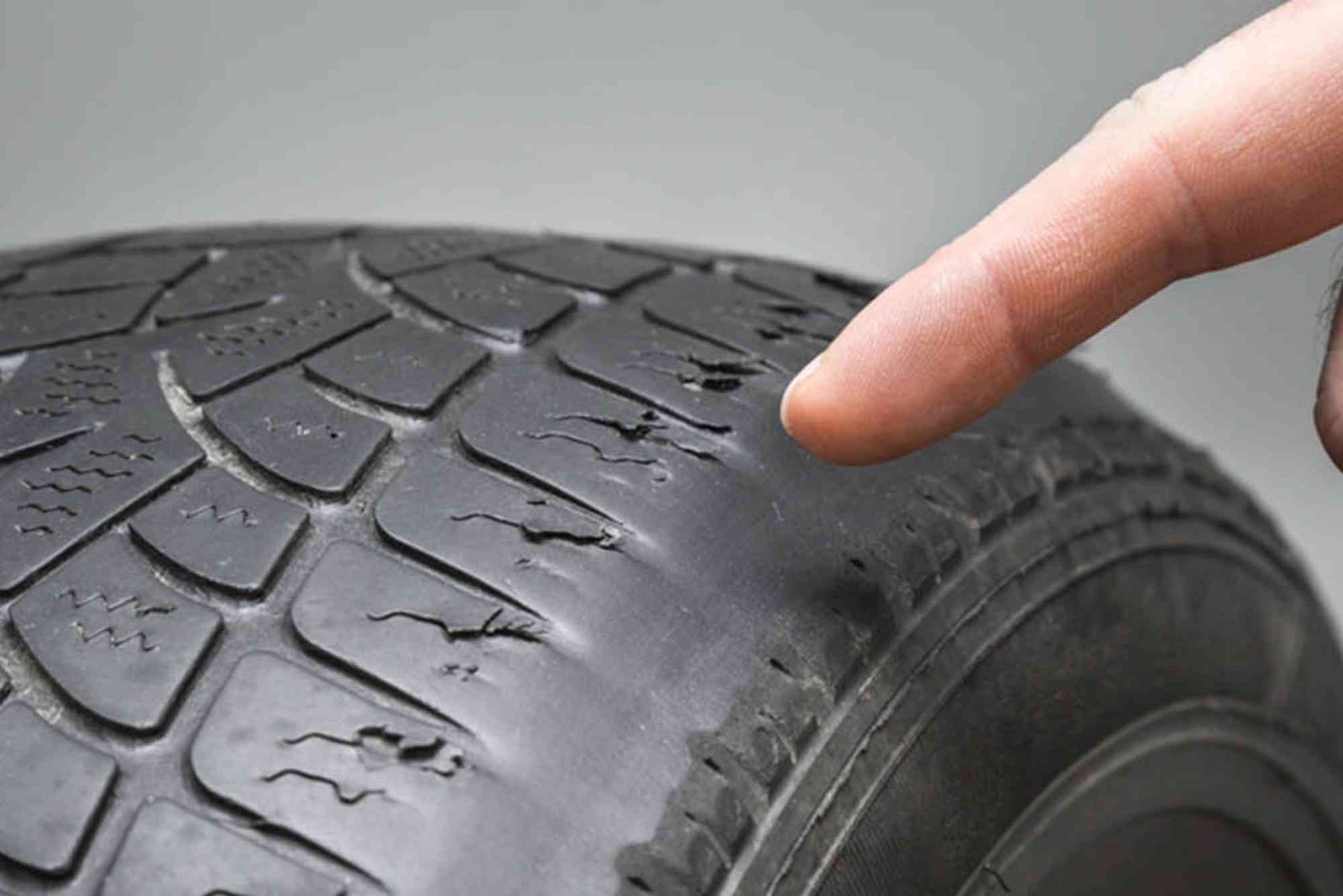
The tread ensures grip and water displacement. Most tyres have tread wear indicators—small bars that become flush with the surface. If your tyre tread is below 1.6mm, it’s time for replacement. Uneven wear may indicate alignment or suspension issues.
Cracks and Bulges
Inspect tyre sidewalls regularly. Cracks, cuts, or bulges signal weakening rubber, which can lead to blowouts. Even a small bulge is a warning that the tyre structure is compromised.
Vibrations While Driving
Excessive vibration or wobbling may indicate tyre damage or imbalance. If vibrations persist after rotation and balancing, it could be a sign to change your tyres.


Poor Traction
Slippery roads or longer braking distances indicate reduced grip. Tyres lose traction with age or improper maintenance. If you notice decreased handling or skidding, replacement is necessary.
Noise Increase
Unusual or louder tyre noise can indicate uneven wear or internal damage. This is especially noticeable at high speeds.
Factors Affecting Tyre Wear
Driving Habits
Aggressive driving, sharp turns, sudden braking, and speeding increase wear. Smooth, consistent driving prolongs tyre life.
Road Conditions
Rough roads, potholes, and frequent off-road driving accelerate tyre deterioration. Urban drivers face frequent stop-and-go traffic, which can also wear tyres faster.
Climate Impact
Extreme temperatures affect rubber flexibility. Hot climates cause faster wear, while cold climates can create cracks. Regular inspection is essential for different seasons.
Tyre Maintenance
Proper tyre pressure, regular rotation, and alignment checks extend lifespan. Underinflated tyres overheat, while overinflated tyres wear unevenly.
How To Check Your Tyres
Visual Inspection
Look for cracks, bulges, or embedded objects. When To Change Car Tyres Regular inspections, especially before long trips, help identify early issues.
Tread Depth Test
Use a tread depth gauge or the penny test. Insert a coin into the tread; if the top of Lincoln’s head is visible, the tread is too low.
Tyre Pressure Monitoring
Check pressure monthly using a reliable gauge. Tyres lose about 1 psi per month naturally, and incorrect pressure accelerates wear.
Professional Inspection
Have your tyres checked by a professional annually. They can identify hidden structural damage and ensure safe performance.
Tips For Extending Tyre Life
Rotate tyres every 5,000–8,000 miles. Maintain recommended pressure. Avoid overloading your car and reduce harsh driving. Seasonal tyres should be swapped according to weather. Regular cleaning prevents chemical damage from road salts or debris.
Safety First: Don’t Delay Replacement
Delaying tyre replacement compromises your safety. Worn or damaged tyres increase stopping distance, risk of punctures, and hydroplaning. Replace tyres promptly to maintain control and confidence while driving.
Knowing when to change car tyres is essential for safety, performance, and cost-efficiency. Regular inspection, maintenance, and awareness of warning signs will protect both you and your vehicle. Don’t wait for a blowout—schedule a tyre check today and ensure your journey is safe and smooth.
Call to action: Visit your local service center or learn more about tyre care to keep your vehicle road-ready.
FAQ
How often should car tyres be replaced?
Most tyres last between 6–10 years. Replace them sooner if tread is below 1.6mm, or if you notice cracks, bulges, or reduced grip.
Can I drive with worn tyres?
Driving on worn tyres is unsafe. Reduced tread increases braking distance and risk of hydroplaning. Replace tyres promptly to maintain safety.
How do I check if my tyres need changing?
Inspect tread depth, look for cracks or bulges, monitor tyre pressure, and note unusual vibrations or noise. Professional checks are recommended annually.
What is the impact of weather on tyres?
Extreme heat accelerates wear, while cold can cause cracking. Seasonal tyre changes and inspections ensure safety in varying conditions.
Does tyre rotation extend lifespan?
Yes, rotating tyres every 5,000–8,000 miles promotes even wear and prolongs tyre life.
For more detailed guidance, explore our related automobiles article to enhance your vehicle maintenance knowledge.





Installed 8casinoapp and gave it a whirl. A decent bunch of games to choose from! Might stick around a while. 8casinoapp
Hotwinslotcasino, that’s a catchy brand name. If your slot is hot, this is the place you want to be in. See website hotwinslotcasino now.
Yo, just downloaded the xbetapk and it’s smooth! Finally, a decent way to bet on my phone. Check it out! xbetapk